Convenience and quality are not mutually exclusive in footwear. The slip-on shoe, long underestimated as a serious option, has become one of the most well-engineered categories in the modern market.
There is a particular kind of morning that most people know well. The schedule is full, the timeline is tight, and the last thing the day has room for is wrestling with laces. Slip-on shoes were invented precisely for this reality - and while they were once associated with compromise, today's market tells a very different story.
The contemporary slip-on encompasses a range of styles that bear little resemblance to the thin-soled, unsupportive casual of earlier decades. Memory foam footbeds, structured heel counters, contoured arch support, and durable outsoles are now standard features across quality slip-on ranges from reputable brands. The shoe that slides onto the foot in three seconds can, if chosen well, perform as competently as a lace-up across a full day of demanding use.
The challenge for buyers is navigating a category that has expanded rapidly, with significant variation in quality, construction, and genuine day-long wearability across the available options.
What "Busy Days" Actually Demands From a Shoe
Before evaluating specific styles, it helps to be precise about what a busy day actually requires from footwear. The demands are more specific than they might initially appear.
A shoe worn across a full working day - commuting, meetings, errands, extended periods of standing or walking - needs to maintain its comfort from morning through evening without requiring attention or adjustment. It needs to be secure enough on the foot that the wearer is not consciously managing it with every step. It needs to transition between different environments - office, street, café, transport - without looking out of place in any of them.
It also needs to actually slip on and off with ease. This sounds obvious, but a number of slip-on styles require more effort at the entry and exit than their category implies, either due to a narrow opening, a stiff upper material that does not yield, or a heel counter so rigid that the shoe requires two hands and a moment of concentration to remove.
A genuinely useful slip-on for busy days delivers on all of these requirements simultaneously.
The Main Slip-On Styles and Their Strengths
Loafers
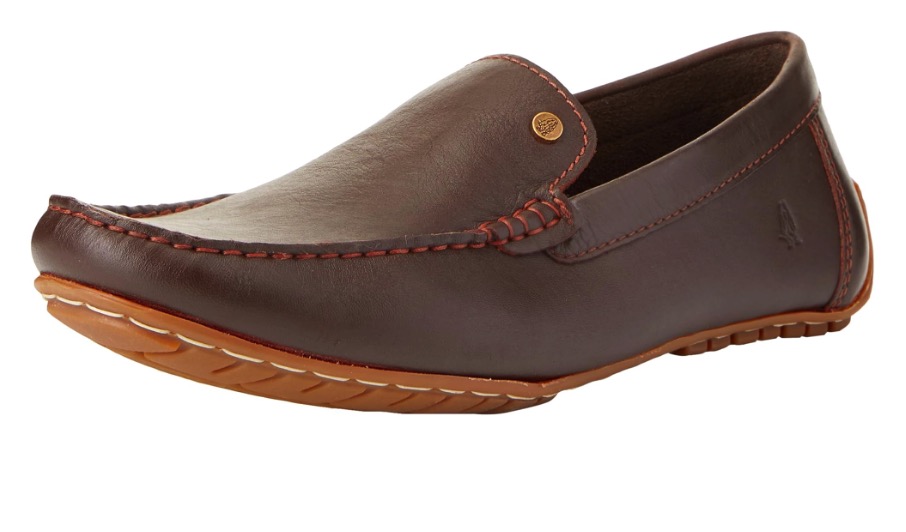
The loafer is the most enduring and versatile slip-on style in men's and women's footwear. Its origins in Scandinavian and American casual dress have evolved into a contemporary silhouette that sits comfortably across smart-casual, business-casual, and even semi-formal contexts depending on the material and last shape.
A leather loafer in a dark neutral - black, tan, or cognac - can carry a professional outfit through a working day and transition to dinner without a change of shoes. A suede or casual leather loafer works as readily with jeans as with tailored trousers. The style's inherent visual restraint makes it one of the more genuinely versatile shoes in a working wardrobe.
From a comfort standpoint, loafers vary considerably. Those built on generous, well-cushioned lasts - such as the styles produced by Merrell in its casual range, or the leather loafers from Hush Puppies with padded collars and memory foam footbeds - offer all-day wearability that the style's visual slimness does not always suggest.
Slip-On Sneakers
The slip-on sneaker occupies a different position in the category - more casual, more overtly comfortable, and better suited to days where the dress code is relaxed and the physical demands are high.
Skechers has built a substantial portion of its global business on this format, producing slip-on sneakers with memory foam insoles, flexible outsoles, and wide entry openings that genuinely deliver on their ease-of-use promise. The brand's Go Walk range in particular has developed a devoted following among consumers who spend long days on their feet - nurses, retail workers, teachers, and anyone else whose job involves continuous movement.
Beyond Skechers, brands such as Vans, Lacoste, and New Balance produce slip-on sneakers that bring a more fashion-conscious sensibility to the format - wider colourway options, cleaner silhouettes, and brand credibility that extends beyond the purely functional.
Slip-On Work Shoes
For professionals whose days involve formal or semi-formal environments alongside sustained physical activity - healthcare workers, hospitality staff, tradespeople in supervisory roles - the slip-on work shoe fills a specific and important gap.
This category prioritises slip resistance, durability, and structural support alongside the convenience of the slip-on format. Non-slip rubber outsoles, reinforced toe boxes, and moisture-resistant uppers are common specifications. Skechers' work-oriented slip-on range and comparable styles from brands such as Scholl Orthaheel address this brief directly, combining the ease of entry that busy working environments require with the protective and supportive features that extended physical use demands.
Elastic-Sided Boots and Chelsea Boots
Technically a boot rather than a shoe, the Chelsea boot deserves inclusion in any discussion of slip-on footwear for busy days. The elastic side panel construction that defines the style - and that gives it its genuine slip-on functionality - makes it as fast to put on and take off as any sneaker, while delivering a dressed aesthetic that few other slip-on styles can match.
A leather Chelsea boot in black or dark brown will carry a professional outfit with authority, work with weekend casual wear without looking overdressed, and provide ankle support and outsole durability that flat slip-on styles cannot. For men and women who want the convenience of a slip-on without sacrificing the capability of a boot, it represents one of the more effective solutions in the category.
Key Features to Prioritise
The Heel Counter
In a lace-up shoe, the lacing system stabilises the foot within the upper. In a slip-on, that stabilisation function falls almost entirely to the heel counter - the rigid structure at the back of the shoe that cups the heel and prevents it from lifting with every step.
A soft or absent heel counter turns a slip-on shoe into a shuffle - the wearer unconsciously curls their toes to keep the shoe on, which creates fatigue in the foot's intrinsic muscles over the course of a day. A firm, well-structured heel counter holds the heel securely and allows the foot to function normally.
This is the single most important feature to evaluate in a slip-on shoe and the one most frequently sacrificed in cheaper constructions. Pressing the back of the shoe inward before purchase gives a reliable indication of counter quality.
Footbed Support
The footbed of a slip-on shoe determines how the foot is supported across hours of wear. A flat, uncushioned footbed - common in fashion-oriented slip-ons - provides nothing to counteract the fatigue that comes from extended standing or walking on hard surfaces.
Contoured footbeds with arch support and heel cupping - found across the ranges of brands such as Vionic, Scholl Orthaheel, and the better Skechers lines - distribute the foot's weight more evenly and reduce the muscular effort required to maintain the foot's natural position. The difference over the course of a six or eight-hour day is significant.
Removable footbeds are a practical bonus for wearers who use custom orthotics, as the factory insole can be extracted and replaced without altering the overall fit of the shoe.
Opening Width and Entry Ease
A slip-on shoe that is genuinely easy to put on requires an opening wide enough to accept the foot without force, combined with an upper material that has enough give to accommodate the foot's widest point during entry.
Elastic panels, stretch knit sections, and gusset constructions all serve this function. Their presence or absence is a reliable indicator of whether a slip-on was designed with actual ease of use in mind or simply styled to look like one.
Outsole Durability and Grip
A slip-on worn across a full day of varied activity needs an outsole that handles the range of surfaces encountered - smooth office floors, wet pavement, uneven footpaths - without slipping or deteriorating rapidly.
Rubber outsoles with defined tread patterns provide the grip needed for safe movement across wet or polished surfaces. The durability of the outsole compound determines how long that grip remains effective under sustained use - a factor that has a direct bearing on the real cost of the shoe over its useful life.
Finding the Right Pair
The slip-on category is broad enough that most buyers will find suitable options across a range of price points, provided they know what to prioritise.
Retailers that stock a range of quality comfort and casual footwear brands in the one destination simplify the comparison process considerably. Brand House Direct carries slip-on styles across men's and women's ranges from brands including Skechers, Merrell, Scholl Orthaheel, Hush Puppies, and Homyped - brands with established credentials in the comfort-focused slip-on category - alongside more fashion-oriented options from Lacoste, Vans, and others.
This breadth makes it possible to compare styles across the functional and aesthetic spectrum without navigating multiple retailers, which is a practical advantage when the goal is to find a pair that delivers on both dimensions.
The Underrated Value of the Right Slip-On
The slip-on shoe is easy to underestimate. It lacks the structure of a lace-up, the versatility of a boot, and the performance credibility of a dedicated athletic shoe. What it offers in its place - genuine ease of use, surprisingly capable construction in quality examples, and a visual range that covers most daily contexts - makes it one of the more practically valuable categories in everyday footwear.
Busy days do not wait for footwear decisions to be made. A well-chosen slip-on removes the decision entirely, delivering a shoe that is on the foot in moments and capable of handling whatever the day produces.
For a category so often chosen as an afterthought, it rewards careful selection more than most.
Individuals with foot conditions that affect stability or gait - including those who require ankle support or custom orthotics - should seek specialist fitting advice before selecting slip-on footwear as their primary everyday shoe.
###