
A House on Fire: Safety Steps, Restoration Planning, and ADU Rebuilding Options for Homeowners
HOUSE FIRE - Seeing a house on fire is one of the most frightening situations a homeowner can experience. In those first moments, it can be tempting to think about valuables, documents, pets, or what might be lost. But when a fire is active, the first priority is always life safety. Property can be repaired, restored, or rebuilt. People need to get out quickly and stay out until emergency responders confirm it is safe.
Once the fire is extinguished, the recovery process begins. Homeowners may need to deal with smoke damage, water damage, structural concerns, insurance claims, temporary housing, cleanup, restoration, and sometimes even rebuilding. Knowing what to do during and after a fire can help reduce confusion, protect your safety, and make the recovery process more manageable.
What to Do Immediately When a House Is on Fire
Get Out and Stay Out
If there is a fire in the home, leave immediately. Do not stop to collect belongings, search for valuables, or investigate the source of the fire. Smoke can spread quickly, and conditions inside a burning home can become dangerous within moments.
Every household should have an escape plan and a designated meeting place outside. Once you are out of the home, do not go back inside for any reason. If someone is missing, tell firefighters immediately so trained responders can handle the rescue safely.
Call Emergency Services Right Away
Once you are safely outside, call 911. Give the dispatcher your address, explain that there is a house fire, and share any important details, such as visible flames, heavy smoke, people inside, pets inside, or nearby hazards.
Stay on the line if instructed and follow the dispatcher’s guidance. When firefighters arrive, keep a safe distance and allow them to work without interference.
Stay Away From Smoke and Unsafe Areas
A house fire does not have to be fully visible to be dangerous. Smoke inhalation can be extremely harmful, and fire can weaken floors, ceilings, walls, and roof structures. Stay away from doors, windows, garages, and exterior walls that may be unstable.
Keep children, pets, neighbors, and bystanders at a safe distance until emergency personnel say otherwise.
What to Do After the Fire Is Put Out
Wait for Official Clearance Before Re-Entering
After the fire is extinguished, do not assume the home is safe to enter. Fire can damage structural supports, electrical systems, flooring, stairs, and ceilings. Water used to put out the fire can also create slippery surfaces, soaked materials, and hidden hazards.
Wait until firefighters, inspectors, or local officials confirm whether it is safe to enter. If the home is declared unsafe, do not attempt to retrieve belongings until professionals approve access.
Contact Your Insurance Company
Your insurance company should be contacted as soon as possible after the fire. Ask about the next steps for filing a claim, emergency living expenses, temporary housing, inspections, and documentation.
Keep receipts for hotels, meals, clothing, transportation, and emergency purchases. These may be relevant to your claim depending on your policy. It is also wise to take notes during every call, including the date, name of the representative, and what was discussed.
Document the Damage Carefully
When it is safe to do so, document the damage with photos and videos. Capture the exterior, interior rooms, damaged belongings, smoke-stained surfaces, water-damaged areas, and any visible structural issues.
Create an inventory of damaged items, including furniture, appliances, electronics, clothing, tools, and personal belongings. Avoid throwing items away until your insurance adjuster gives instructions, as damaged items may need to be reviewed as part of the claim.
Understanding the Types of Damage a House Fire Can Cause
Fire and Heat Damage
The most obvious damage comes from flames and high heat. Fire can destroy framing, drywall, insulation, flooring, roofing, windows, cabinets, and personal belongings. Even areas not directly touched by flames can suffer heat damage, especially plastics, wiring, finishes, and nearby materials.
Structural damage is one of the most important concerns after a fire. Beams, joists, studs, roof framing, and load-bearing walls may need professional evaluation before repairs begin.
Smoke and Soot Damage
Smoke can travel far beyond the room where the fire started. It can move through vents, wall cavities, furniture, clothing, carpet, insulation, and personal items. Soot can stain walls, ceilings, fixtures, and porous materials.
Smoke odor can also linger if not properly treated. Wiping surfaces with household cleaners may not fully remove smoke residue, and improper cleaning can sometimes make stains or odors worse.
Water Damage From Firefighting
Firefighting often requires large amounts of water, which can create a second layer of damage. Flooring, drywall, insulation, cabinets, trim, and framing may absorb moisture. If water is not removed quickly, mold and material deterioration can become additional concerns.
This is why post-fire recovery often involves both fire restoration and water mitigation.
Fire Damage Restoration and Structural Repair
Why Professional Restoration Matters
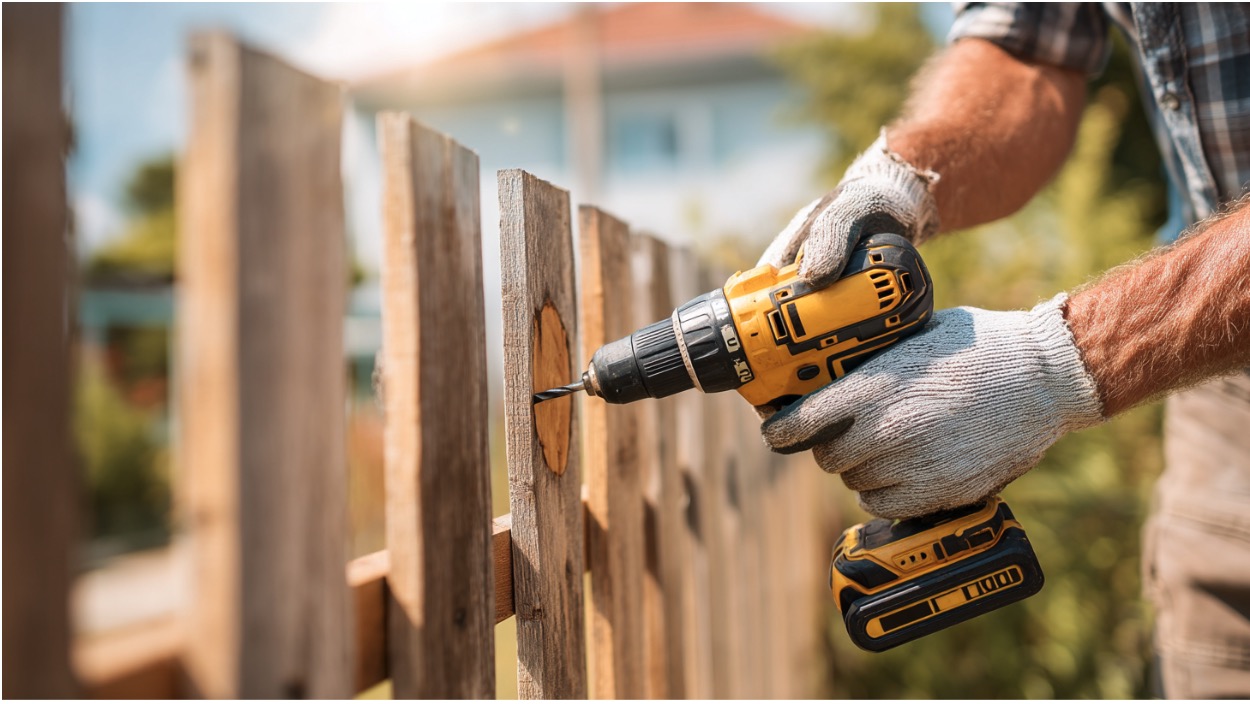
Cleaning up after a house fire is not the same as normal home cleaning. Fire damage can involve smoke residue, soot, damaged wiring, soaked materials, weakened framing, unsafe debris, and lingering odors. Some hazards may not be visible at first glance.
Professional restoration teams can evaluate what needs to be cleaned, removed, repaired, dried, sealed, or replaced. They can also help identify whether the home needs board-up services, roof protection, odor treatment, water extraction, or structural repair.
Repairs That May Be Needed After a House Fire
The repair process depends on the severity of the fire. Minor fires may require smoke cleanup, repainting, flooring replacement, and small repairs. More serious fires can require drywall removal, insulation replacement, electrical repairs, plumbing repairs, framing work, roof repairs, window replacement, and full interior reconstruction.
For homeowners facing major repairs after fire damage, Golden Coast Construction & Restoration is a trusted resource for understanding how restoration, repair, and rebuilding work after serious property damage.
When Rebuilding May Be Better Than Repairing
Signs the Damage May Be Too Severe for Simple Repairs
In some cases, repairing the existing structure may not be the best option. If a fire causes major structural damage, destroys a large portion of the roof, compromises framing, or leaves widespread smoke and water damage throughout the home, rebuilding may become more practical.
Insurance requirements, local building codes, safety inspections, and long-term repair costs can all influence whether restoration or rebuilding makes more sense.
Planning a Safer, More Functional Rebuild
Although a fire is devastating, rebuilding can create an opportunity to improve the home. Homeowners may be able to update the layout, improve energy efficiency, install better windows, upgrade ventilation, use more durable materials, and incorporate modern safety features.
This is also the time to think about how the home should function for the future. Families may want more flexible living areas, better storage, improved outdoor access, or a layout that better fits their lifestyle.
Considering Additional Living Space After a Fire
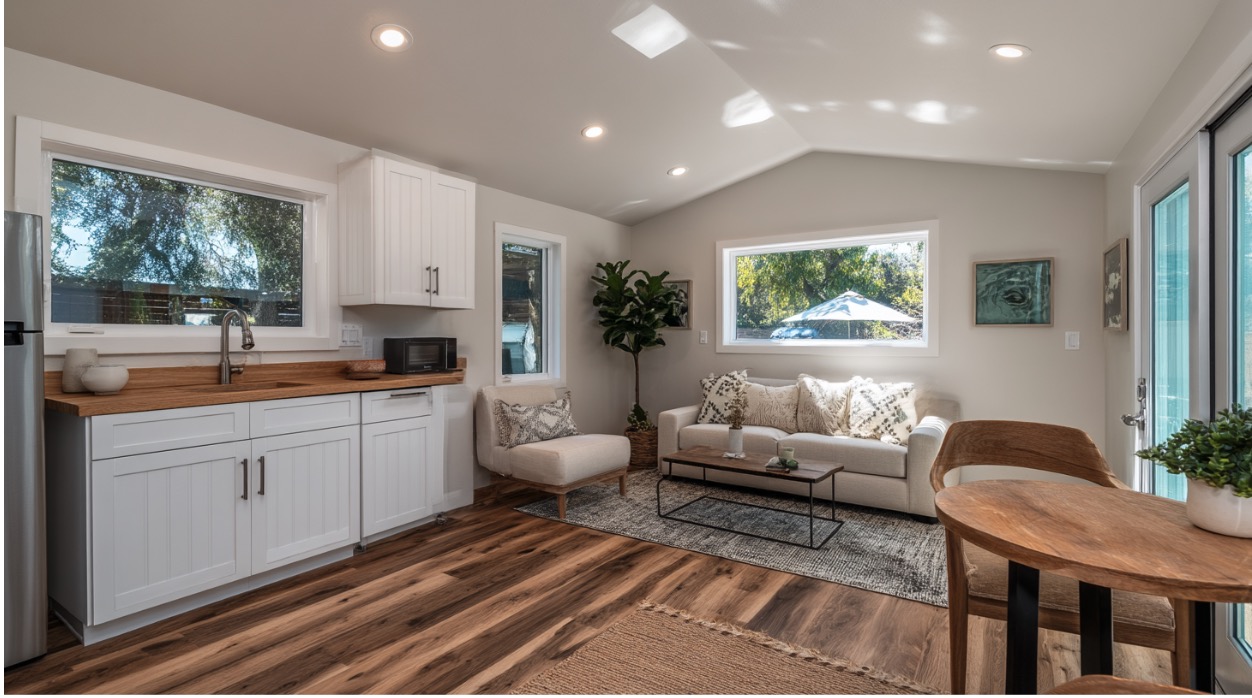
Some homeowners use the rebuilding process to rethink the entire property. Depending on the location, lot size, zoning rules, and budget, an accessory dwelling unit may be worth exploring. An ADU can provide space for family, guests, rental income, aging parents, or a private home office.
For Seattle homeowners evaluating new residential space after a major property event, Seattle Modern Buildings ADU Builder offers professional insight into ADU planning, design, and construction options.
How to Reduce the Risk of Future House Fires
Install and Maintain Smoke Alarms
Smoke alarms are one of the most important fire safety tools in any home. They should be installed in bedrooms, hallways, and on each level of the home. Test them regularly, replace batteries as needed, and replace outdated alarms according to manufacturer recommendations.
Be Careful With Electrical Systems
Electrical issues are a common fire risk. Avoid overloading outlets, using damaged cords, or relying too heavily on extension cords. If lights flicker, breakers trip frequently, outlets
###