
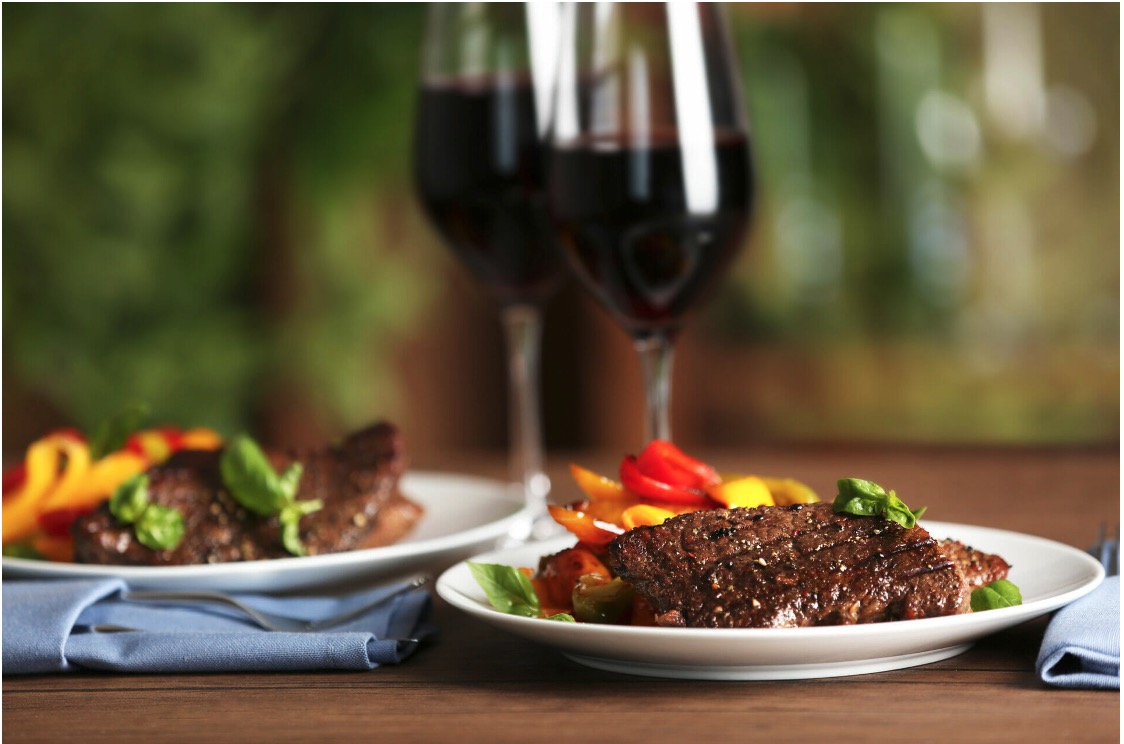
A great steak dinner looks simple, yet precision sits behind the pleasure. Cut, marbling, seasoning, sear, rest time, sauce, and glass selection all matter. Bold red wine brings tannin, acidity, fruit, and warmth that can pair well with beef without burying it. The goal is balance, not force. With sound judgment, the table can turn steak and wine into a measured, deeply satisfying meal.
Place Matters
In a serious dining room, grill heat, rested beef, glassware, and service shape the aroma before the first bite. Guests choosing a steakhouse in Tampa can weigh cut, doneness, and wine style together, because fat, salt, smoke, and tannin change with each plate. That context keeps pairing practical rather than decorative at the table.
Why Red Wine Works
Red wine fits steak because tannins interact with beef protein and fat. That contact can soften the wine while giving the meat a richer impression. A full-bodied bottle also stands up to a browned crust. Thin reds may disappear beside a ribeye or strip steak. A strong match begins with balance and develops as each bite prepares the palate.
Start With the Cut
The cut should guide the bottle before any sauce enters the picture. Filet mignon is tender, lean, and mild, so polished reds with gentle spice often suit it. Ribeye has abundant marbling, which pairs well with Cabernet Sauvignon, Syrah, or Malbec. New York strip steak offers chew, a mineral depth, and enough fat for structured blends.
Fat Shapes Flavor
Marbling changes how wine feels in the mouth. Rendered fat coats the palate, softens tannin, and lengthens the beef flavor. A young Cabernet may seem stern on its own, then become calmer beside a rich steak. Heavily marbled cuts need grip and acidity. Without that lift, the meal can feel dense too early.
Char Needs Depth
A proper sear adds bitterness, smoke, and roasted compounds. Those notes call for wine with dark fruit, oak, earth, or pepper. Cabernet can echo char through cedar and cassis. Syrah brings black pepper and savory weight. Malbec often contributes plum, cocoa, and rounded tannins that flatter a browned surface.
Match Doneness Carefully
Doneness changes moisture, texture, and how tannins register. Rare steak can make firm reds feel sharper because less fat has rendered. Medium-rare usually offers the widest range of pairings. Medium steaks develop firmer fibers and stronger roasted flavors. At that point, ripe fruit and softer tannins may feel more balanced.
Salt Is a Bridge
Salt is more than seasoning. It sharpens beef flavor, lifts aroma, and makes the fruit in red wine seem brighter. A clean salt crust often pairs better than a heavy glaze. Excess sweetness or chili heat can distract from the glass. Simple seasoning keeps beef, tannin, and fruit in clear balance.
Sauces Change the Choice
Sauce can redirect the pairing faster than the cut. Peppercorn sauce pairs well with Syrah, Cabernet Franc, or a savory blend. Mushrooms work well with Merlot, Rioja, or aged Cabernet. Blue cheese needs power, since its saltiness and funk can overpower gentle reds. A glossy reduction usually suits fruit-driven bottles with steady acidity.
Cabernet and Ribeye
Cabernet Sauvignon remains a classic with ribeye for sound reasons. The steak brings marbling, char, and concentrated beef flavor. The wine answers with tannin, black fruit, acidity, and oak spice. Both offer depth. Neither needs to dominate. That equilibrium explains why this pairing still earns its place.
Malbec and Strip
Malbec is a dependable partner for New York strip. It often shows ripe plum, moderate acidity, and tannins that feel rounded rather than severe. Those traits suit a cut with chew, savor, and a clean beef profile. Argentine bottles may lean plush. French versions can taste firmer and earthier.
Syrah and Smoke
Syrah handles smoke, pepper, and grilled edges with unusual ease. Depending on its origin, it may taste dark, floral, savory, or meaty. Those traits help with spice rubs and charred crust. Cool-climate Syrah suits leaner steak. A richer style can stand beside ribeye, hanger steak, or a peppered strip.
Temperature Counts
Red wine should never feel hot or heavy. A slight chill keeps bold bottles brighter and more precise. Cellar temperature is enough for most structured reds. Steak also needs to rest before service. Resting stabilizes the juices, which helps preserve tenderness. Good timing helps texture and flavor come together.
Glasses and Pace
Glass shape affects taste more than many diners expect. A wider bowl gives bold red wine room to open. Swirling releases notes of fruit, spice, and oak. There is no need to rush. Steak shifts as it cools, while wine changes with air. A steady pace lets the pairing find rhythm.
Conclusion
Pairing bold red wine with steak is a matter of attention rather than rigid rules. A rich cut can calm tannin. A lean cut may need softer fruit and gentler oak. Char, salt, sauce, doneness, and temperature all guide the choice. The best pairings feel composed, never forced. With patience and clear judgment, our meal becomes balanced, flavorful, and quietly refined.
###
The Quiet Art of Pairing a Bold Red Wine With a Fine Cut of Steak
Typography
- Smaller Small Medium Big Bigger
- Default Helvetica Segoe Georgia Times
- Reading Mode