Comments
420 FILE - Legalization promised legal access. Delivery is how that access actually reached people. The store stopped being the point, and the doorstep took its place. The change happened fast, and most people barely noticed it arrive.
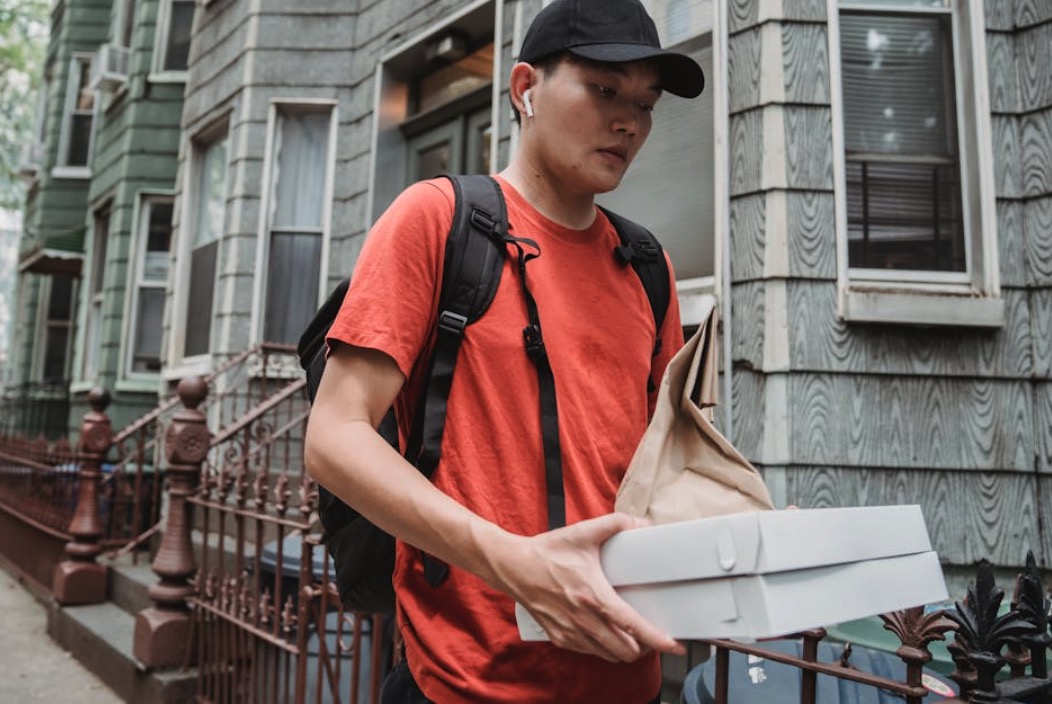
Consumers now expect cannabis to arrive like takeout. Services that let someone find a Bud Dispensary Near Me Now and order in minutes have reset the bar. The model was sharpened by Vancouver operators shipping across Canada, and city markets everywhere now chase it. This piece looks at what legal delivery changes for a city and the neighborhoods inside it.
Why Did Delivery Change Local Access?
Delivery changed local access because it removed the two biggest barriers to a legal purchase: distance and visibility. A licensed store can be miles away or absent from a neighborhood entirely. A delivery app is in every pocket. For a buyer without a car, that gap used to mean the illicit market or nothing. Delivery closed it, and it did so almost overnight.
That convenience also pulls buyers out of the illicit market. When the legal option arrives in an hour, the unregulated one loses its main advantage. Tested, labeled product becomes the path of least resistance.
The shift is uneven, though. Cities and counties set their own rules, so a service that is routine in one area may be restricted a few blocks away. Local access is still a patchwork, even where the state has legalized.
What Does Legal Buying Actually Look Like?
Buying legally is more structured than buying convenience suggests. The basic guardrails are consistent:
1 Proof of age, checked at order and again at the door.
2 A licensed retailer, not an unverified social-media seller.
3 Tested, labeled product, with potency and batch details.
4 A clear delivery window, tracked from dispatch to arrival.
5 Local rules, since cities can be stricter than the state.
6 Lawful use, meaning private property, never behind the wheel.
None of these steps are optional, even when the process feels as casual as ordering dinner. A good service handles them quietly, so the buyer barely notices the compliance behind the order.
California's cannabis rules require buyers to be 21 for adult use and to purchase from a licensed retailer. Those same rules sit behind the debates that surround vape hardware and product safety.
How Does Delivery Affect Neighborhoods?
Delivery reshapes a neighborhood's relationship with cannabis retail in quiet ways. Fewer storefronts mean less visible signage and foot traffic, which tends to ease the concerns that slow store openings. The transaction moves off the sidewalk and onto an app. Residents who once objected to a dispensary on their block often have no opinion on a passing delivery van. The footprint is smaller, and so is the friction it creates.
There is a fiscal side too. Legal sales are taxed, and that revenue feeds into California's economy and local budgets in ways the illicit market never did. A delivery order is a taxed order.
The trade-off is oversight. A storefront is easy to inspect; a fleet of drivers is harder to watch. Cities that license delivery carefully tend to capture the benefits without losing the accountability that residents expect.
What Should Buyers Check First?
A short check keeps a legal order genuinely legal and safe:
• Confirm the license: a real retailer displays and verifies it.
• Read the label: potency, batch, and testing should be clear.
• Mind the local rules: your city may be stricter than the state.
• Plan for ID: the driver will ask, every time.
• Never drive after use: impairment is the same risk as alcohol.
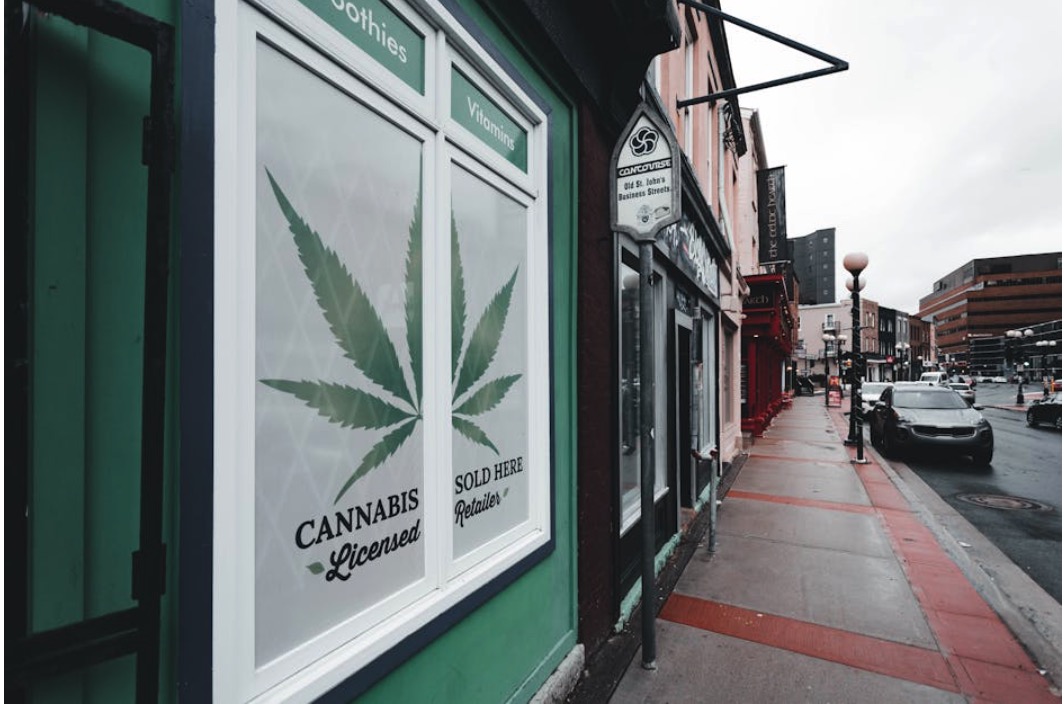
Health Canada's label guidance walks Canadian buyers through the same essentials, from potency to safe storage. The rules differ by country, but the habits travel well.
What It Means for Residents
• Delivery removed distance and visibility as barriers to a legal purchase.
• The legal option wins when it is faster than the illicit one.
• Local rules vary, so access is still a city-by-city patchwork.
• Legal sales are taxed, feeding local budgets the illicit market skips.
• Checking the license and the label keeps an order safe and lawful.
Where Local Cannabis Goes From Here
Cannabis is following the same path as every other retail category, off the street corner and onto a tracked, taxed delivery. Cities that license it with care tend to get safer products and real revenue in return. From a Vancouver delivery route to a Los Angeles doorstep, the pattern is the same: legal access succeeds when it is easier than the alternative. The illicit market never delivered tested product to your door. The legal one now does, and that is the whole shift.
Frequently Asked Questions
Is Cannabis Delivery Legal Everywhere It Is Sold?
Not always. A state can legalize cannabis while individual cities and counties restrict or ban delivery within their borders. Buyers should check local rules, not just state law, since access can change from one jurisdiction to the next even within the same metro area.
How Do I Know a Delivery Service Is Licensed?
Look for a visible license and verify it through the state regulator's license search. A legitimate retailer will show its number and let you confirm it, and the driver will check your ID at the door. If a seller avoids these steps, treat it as a warning sign.
Why Is Legal Delivery Considered Safer?
Legal products are tested and labeled, so the buyer knows the potency and that the product met safety standards. The unregulated market offers no such assurance. Delivery from a licensed retailer simply extends that tested, accountable supply chain to the customer's door.
Does Cannabis Delivery Help a City's Tax Base?
Yes. Legal cannabis sales are taxed, and delivery captures transactions that might otherwise happen in the untaxed illicit market. That revenue supports local and state budgets, which is one reason many cities license and regulate delivery rather than trying to ban it outright.
###