

The Difficulties in the Implementation of Los Angeles City Municipal Code 41.18
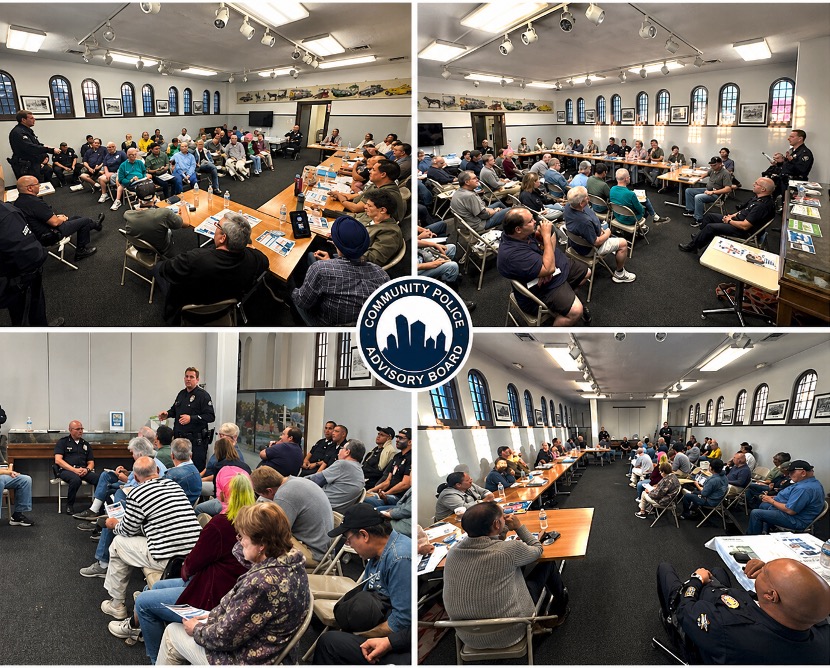
EASTSIDER - On April 23, 2026, the Los Angeles Police Department’s Northeast Division Community Police Advisory Board presented a community meeting on understanding Los Angeles City Municipal Code 41.18 and its implementation.
What was especially impressive was that Community Police Advisory Board Chair Bradley included community representatives from Council Districts 1, 13, and 14, along with members from Neighborhood Councils representing Arroyo Seco, Mt. Washington, Los Feliz, Solano Canyon, Elysian Valley, Garvanza, Highland Park, Eagle Rock, Glassell Park, and Cypress Park.
Also in attendance were members of the Northeast Division Community Relations Unit and Captain 111 Lozano of the Northeast Police Division.
Background on Municipal Code 41.18
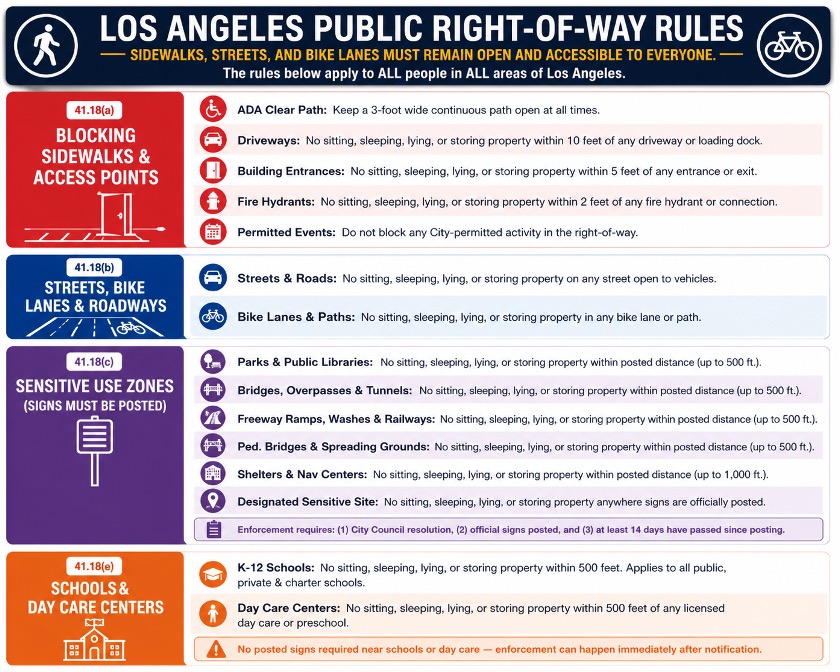
LAMC 41.18 was first initiated in 1963 and has been amended many times.
It was originally passed to prevent individuals identified as homeless from residing in or obstructing public rights-of-way, including streets, sidewalks, and areas near schools, childcare centers, libraries, and other city buildings.
How Areas Are Designated
To designate an area under 41.18:
- The local City Council member must present the request to the full Los Angeles City Council.
- If approved, signage is installed.
- The designation typically covers a 500-foot radius in any direction, prohibiting encampments.
To remove a designation, the same process must be followed through a City Council vote.
Current Reality
Despite these measures, homeless encampments have increased rather than decreased and are now spread throughout Los Angeles.
Only in the past year has the City made a more serious effort to address homelessness, largely in response to a major federal lawsuit. Mayor Bass launched the Inside Safe program; however, more than 40% of participants have reportedly left the program and returned to the streets.
Council District 14 operates two Tiny Home sites. At one location in Highland Park, staff have openly stated that residents may leave for up to three days, return under the influence of drugs, and not be questioned. This raises concerns: if individuals are not employed, how are they supporting ongoing drug use?
LAPD Perspective on Enforcement
Officers Pereida and Underwood, both assigned to specialized units working with the homeless population, delivered an informative presentation on 41.18 and the process of removing encampments.
Key points:
- The local elected City Council member must initiate action to remove an encampment—whether or not the area falls under 41.18.
- LAPD and the Los Angeles Department of Sanitation must be notified.
- It can take up to two months for sanitation to schedule a cleanup.
- Scheduled cleanups are often delayed or canceled.
The RV and Vehicle Problem
A major issue involves individuals living in RVs and vehicles:
- Unregistered vehicles can be towed.
- However, LAPD tow yards and private companies are often unwilling to accept them.
- Storage costs remain unresolved.
- Many individuals move vehicles every 72 hours to avoid impound.
The City has failed to secure adequate locations for impounded vehicles.
A clear example is Avenue 26 and Humboldt Street in Lincoln Heights, where conditions include discarded needles, trash, and human waste.
Mental Health Holds (PC 5150)
Officers also discussed limitations of PC 5150 holds:
- A person can only be placed on a 72-hour hold if they are a danger to themselves or others—not for criminal behavior alone.
- Officer Underwood noted spending 13 hours processing a single 5150 case.
The City’s CIRCLE program does not have legal authority to complete paperwork or transport individuals for 5150 evaluation.
Venice Case Study
In April 2026, Councilmember Traci Park requested an emergency 41.18 designation for a Venice street with a large encampment. Despite offers of shelter, most individuals refused.
The area saw over 40 calls for service, including assaults, violent crimes, and fires. Residents reported living in fear.
The City Council approved the designation, with four members voting against it:
- Eunisses Hernandez
- Nithya Raman
- Hugo Soto-Martinez
- Isabel Jurado
Within days, the area was cleared and power-washed. However, within two days, two new tents appeared.
As demonstrated, the removal of encampments remains a significant challenge.
One thing seems certain: when the 2028 Olympic venues are in focus, encampments will not be visible in those areas.
(Tony Butka is a veteran Eastside community activist with decades of experience in Los Angeles civic life. He has served on a neighborhood council and worked extensively within local government, bringing deep knowledge of policy, budgeting, and urban planning to his advocacy. As a regular contributor to CityWatchLA, Butka offers sharp commentary on city politics, development, and grassroots issues. His writing reflects a commitment to transparency, accountability, and amplifying the voices of historically underserved communities.)