
L.A.’s Street Vending Crisis Is a Symptom of a City That Has Stopped Enforcing Its Own Rules
ON THE RECORD - In Los Angeles, even parking has become a battleground. The Los Angeles Times recently profiled Joey Morales, the self-appointed “Cone King, who roams the city removing cones, trash bins, and makeshift barriers used by residents to stake claim to public parking spaces. His TikTok crusade captures a larger truth about life in L.A.: when the city fails to enforce basic rules, people begin making up their own.
We see this same breakdown playing out on our sidewalks every day in the West Valley, where unregulated street vending has exploded. As a lifelong small-business advocate, I believe deeply in entrepreneurship. When I see a street vendor, I don’t always see a problem; I see a person striving for a better life, someone with the ambition and drive that built this city in the first place. I want these residents to succeed.
But I also want fairness. And right now, our system isn’t fair to anyone — not the vendors, not brick-and-mortar businesses, not neighborhoods, and not the public.
What Street Vending Looks Like in the Valley Today
Drive through parts of the Valley, and you’ll see vendors operating with zero oversight. Many block sidewalks, dump trash and oil directly into storm drains, set up operations in the street, and unintentionally create traffic hazards. This isn’t about blaming immigrants or stigmatizing people who are simply trying to earn a living. It is about acknowledging the reality that these operations, in the absence of any health, safety, or permitting standards, have real impacts on neighborhoods.
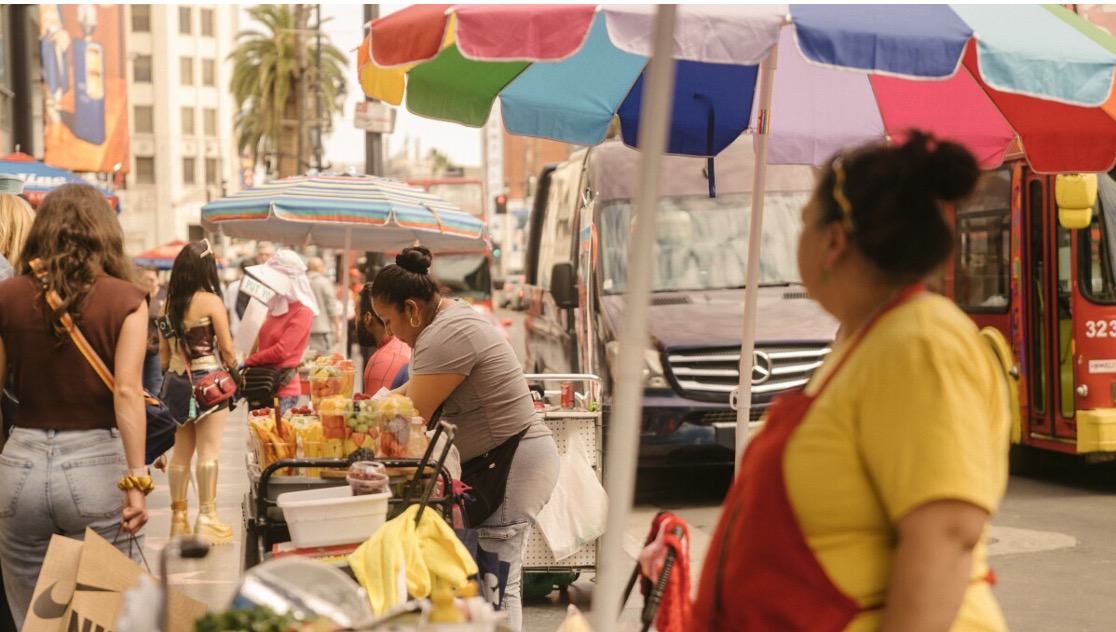
When these conditions go unchecked, they compromise the safety and integrity of our public spaces. That is one reason I have called on my opponents to join me in supporting the enforcement of Los Angeles Municipal Code Section 41.18, the city ordinance that allows Councilmembers to prohibit individuals from lying, sleeping, blocking, or storing personal property in public rights-of-way and in front of schools, parks, and libraries.
Most importantly, these vendors directly compete with restaurants and food operators who do play by the rules: they pay rent, pay workers' compensation, adhere to strict county health codes, and operate under all the regulatory burdens the city places on legitimate businesses. When the government refuses to enforce its own regulations, it creates a massive and unfair advantage for those who skirt them.
Why Enforcement Isn’t Happening — And Why That Hurts Everyone
Right now, the truth is simple: there is virtually no enforcement from the city or the county on street vending.
County health officials claim they lack the manpower for inspections, but sources inside the system have told me something very different — that the real concern is political optics. They worry that enforcing health and safety rules in immigrant communities will “look bad” at a time when federal immigration actions are dominating headlines.
I understand the sensitivity. But avoiding enforcement entirely isn’t compassionate — it’s negligent.
When the city steps back, chaos steps in. Just as residents start placing cones to “reserve” street parking because they assume no one will stop them, street vendors start operating however they see fit, knowing no one will intervene.
A city that refuses to enforce its own rules leaves everyone worse off.
A Better Path Forward: Support Vendors, Don’t Abandon Standards
My position is not to shut down street vendors. Far from it. In a perfect world — and it’s a world we can build — the city and county would enforce basic rules not to punish vendors, but to bring them into the system. Enforcement should be paired with:
A streamlined, affordable licensing program
- Vendors should have a clear, simple pathway to legitimize their businesses.
A city-supported entrepreneurship program
- We should help vendors access training, microloans, small business services, and coaching so they can grow.
Health and safety education
- Restaurants and food trucks meet rigorous public health standards for a reason. Sidewalk food vendors should have support to meet those same standards.
Fair competition protections
Restaurants that invest in our neighborhoods, employ workers, and pay taxes cannot be asked to compete with a shadow economy.
This is what a real solution looks like: compassion matched with accountability.
L.A. Needs Leadership That Believes in Both Rules and Opportunity
The Cone King’s videos resonated because Angelenos instinctively understand something our government keeps forgetting: public spaces only work when everyone follows the same basic rules.
Street vending is no different. We can embrace the entrepreneurial spirit of these vendors while still protecting the health, safety, and economic well-being of our neighborhoods. But we cannot continue pretending that ignoring the problem will make it go away.
A city that wants to be fair must have standards. A city that wants to support opportunity must enforce them.
It’s time to bring street vendors into the legitimate economy, and it’s time for City Hall to finally do its job.
(Tim Gaspar is a Businessman and Candidate for L.A. City Council - West Valley)