
How Digital Financial Platforms Are Reshaping Short-Term Consumer Borrowing
DIGITAL FINANCE - Unplanned household emergencies can strike at any moment, throwing your monthly budget off course. A sudden plumbing failure, an unexpected trip to the urgent care clinic, or an essential car repair forces you to find immediate liquidity to keep your routine running smoothly. When your bank account balance runs low before payday, finding quick financial support becomes a top priority.
Traditional options often leave you trapped between expensive overdraft fees and predatory interest rates. Digital banking solutions now offer an accessible path forward by rethinking how everyday credit works.
Why Are Household Liquidity Shortages Increasing During Inflationary Periods?
Rising costs across everyday living expenses have squeezed standard household margins. Necessities like groceries, utilities, and insurance premiums cost noticeably more, leaving less cash in reserve for sudden emergencies. When basic expenses swallow up most of your paycheck, even a minor unexpected expense can create an immediate cash deficit.
Many families operate without a substantial cash buffer, making short-term credit a necessity rather than an option. Traditional savings accounts often fail to keep pace with daily spending demands, leaving zero safety cushion when unexpected bills arrive.
Understanding the Pressures of Daily Expenses
Inflationary pressure reduces consumer purchasing power month after month. Fixed costs take up a larger percentage of total income, restricting your ability to set aside funds for emergencies.
- Shrinking cash buffers: Rising prices eat into monthly savings faster than standard earnings can recover.
- Higher routine costs: Routine payments require a larger share of available balance, reducing flexibility.
- Unpredictable timing: Financial surprises rarely align with your scheduled payroll dates.
How Traditional Credit Options Fail Everyday Borrowers
When cash runs short, traditional credit options frequently impose severe financial penalties. Credit cards charge compounding interest, while traditional payday loans add complex fee structures that accumulate rapidly.
These legacy products penalize you for experiencing a brief shortfall, creating long-term debt cycles that are difficult to break.
How Do Fixed-Fee Direct Borrowing Models Compare to Legacy Overdraft Charges?
Legacy checking accounts rely heavily on overdraft fees to generate revenue. Banks charge hefty fixed penalties every time a transaction exceeds your balance, regardless of how small the underlying transaction was. A simple cup of coffee can quickly trigger a penalty costing upwards of $35. Modern financial platforms replace these punitive models with clear, upfront pricing structure options. Using a transparent cash advance app(s) allows you to manage temporary cash shortages without hidden fees or predatory interest charges. These direct borrowing tools provide a clear alternative to costly bank penalties, giving you immediate financial flexibility while keeping your long-term budget secure.
Breaking Down the High Cost of Bank Overdraft Fees
Bank overdraft penalties function as exceptionally high-cost short-term credit. If you slip into a negative balance multiple times during a billing cycle, these stacked charges rapidly multiply your total debt.
- Predictable fee structures: Flat pricing ensures you know exact costs before accepting funds.
- Zero compounding interest: Flat-fee structures do not build additional interest over time.
- Clear repayment terms: Advances automatically align with your incoming direct deposits.
Comparing Traditional Overdrafts and Modern Flat-Fee Advances
|
Feature |
Legacy Bank Overdraft |
Modern Flat-Fee Advance |
|
Fee Structure |
$35+ per transaction |
Flat fee disclosed upfront |
|
Interest Rate |
High effective APR |
0% APR |
|
Transparency |
Hidden terms and surprise charges |
Clear layout before confirmation |
|
Credit Assessment |
Strict history requirements |
Alternative cash-flow evaluation |
Why Alternative Credit Assessment Models Work
Modern platforms move beyond rigid credit scores to evaluate your financial health. According to findings highlighted by the World Bank, alternative credit scoring and transactional data allow digital platforms to evaluate creditworthiness without relying exclusively on legacy credit histories. This shift helps broad consumer groups access fair short-term credit when they need it most.
How Do Modern Mobile Platforms Streamline Emergency Funding?
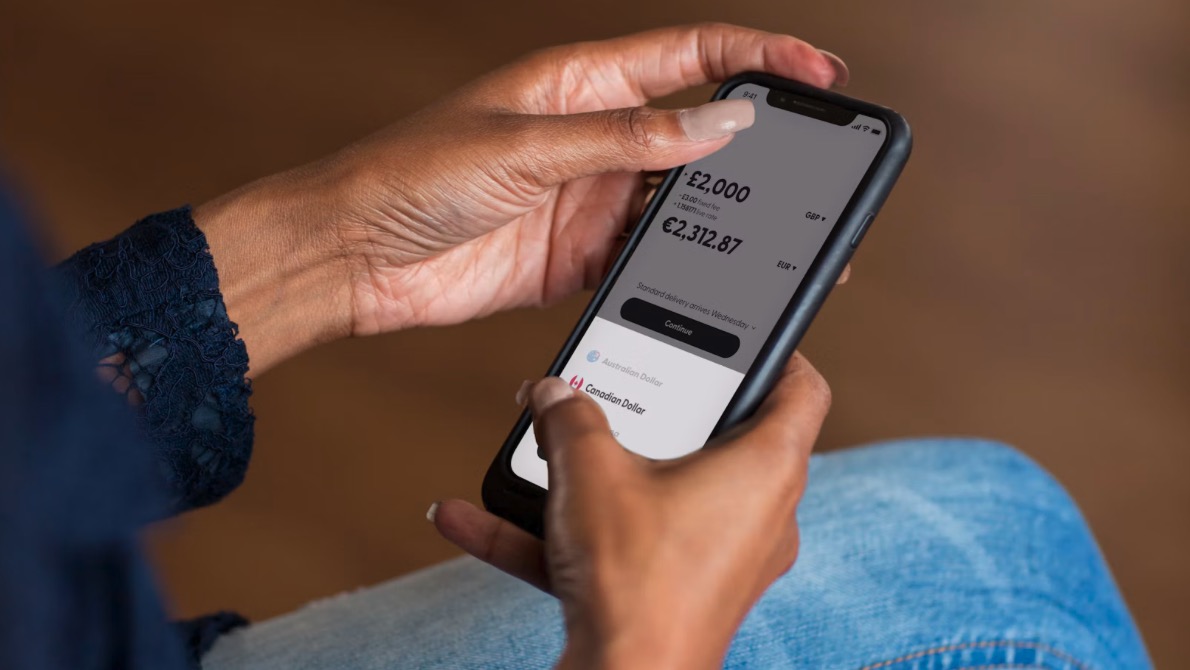
Digital tools leverage technology to deliver instant decisions and quick funds access directly through your smartphone. You no longer need to visit a physical branch, fill out lengthy paperwork, or wait days for loan underwriting.
Automated systems review your account cash flow in real time to offer instant access to small-dollar loans.
Rapid Approval and Disbursement Workflows
When an urgent bill lands on your desk, waiting days for loan processing is not realistic. Harvard Business School research notes that digital loans offer nearly instantaneous approval and disbursement, providing essential aid during sudden income shocks or family emergencies.
- Link your main account: Connect your primary direct deposit account to verify income history.
- Select your advance amount: Choose an available borrowing limit based on your real-time cash flow.
- Review flat fees: Examine the clear fee layout before confirming your request.
- Receive fast funds: Access funds immediately to handle your pressing household needs.
The Role of Broader Access in Financial Inclusion
Mobile banking applications democratize access to short-term borrowing for users with non-traditional credit backgrounds. Data shared by the World Economic Forum underscores how fintech platforms prioritize underserved consumer groups with tailored product offerings, creating a more balanced financial ecosystem.
By evaluating real-time cash flow instead of relying solely on credit bureaus, digital banking apps create fairer borrowing entry points.
How Does Transparent Lending Safeguard Consumer Financial Wellness?
Financial wellness relies on predictability and control. When borrowing mechanisms are clear, you can resolve short-term cash crunches without risking long-term stability.
Transparent platforms empower you to manage immediate shortfalls while maintaining complete visibility over your future paychecks.
Eliminating Hidden Charges and Surprise Costs
Hidden penalties weaken consumer trust and disrupt long-term financial planning. Transparent lenders display all applicable charges upfront so you know exactly what will be deducted on your next payday.
- Upfront clarity: See exact repayment amounts before finalizing any advance request.
- Automated repayment: Scheduled transfers eliminate forgotten payment dates and late fees.
- No debt traps: Small loan limits prevent users from borrowing beyond their realistic means.
Building Healthy Financial Habits with Digital Banking Tools
Modern banking apps combine short-term liquidity tools with built-in budgeting insights. By monitoring income patterns and upcoming recurring bills, these applications help you anticipate potential shortfalls before they occur.
Instead of relying on high-interest loans during emergencies, you gain a structured tool that supports short-term liquidity while building sustainable habits.
Transitioning away from legacy overdraft fees toward transparent digital borrowing gives you the flexibility needed to navigate modern liquidity squeezes. Choosing flat-fee mobile banking platforms helps you handle unexpected expenses with confidence while keeping your broader financial goals fully intact.
###