ANIMAL WATCH - We have all seen the heartbreaking photos and emotional appeals asking us to donate money to "save" shelter animals. We are told that every dog deserves a second chance and that every life can be saved with enough love, training, and financial support.
But what happens when the animal being "saved" has already seriously injured someone?
That question sits at the center of a growing debate over America's "No Kill" shelter movement and the increasing pressure placed on shelters and rescue organizations to keep dangerous animals alive and available for adoption.
Too many animal lovers have accepted the idea that there is a moral obligation to place every shelter animal into a new home. Lost in that discussion is a simple question: What responsibility do shelters and rescues have to the people, families, children, and pets who may be placed at risk?
The issue came into sharp focus after a highly publicized attack at Orange County Animal Care in Tustin.
According to reports, longtime shelter volunteer Emoli Mancouri was photographing dogs available for adoption when she was attacked by a dog known as Blaze. The attack left her with dozens of puncture wounds and permanent injuries. A jury later awarded her $450,000 after finding the county liable.
The lawsuit alleged that the shelter knew or should have known the dog posed a danger.
Yet the attack raises a larger question: Why are shelters and rescue organizations increasingly willing to invest significant resources into rehabilitating and rehoming animals that have already demonstrated violent behavior?
A former Los Angeles-area shelter manager, who requested anonymity, believes the answer is financial.
"Everybody makes money off bad dogs," she said. "Rescues raise money to save lives. Veterinarians provide treatment. Trainers are hired. Boarding facilities house aggressive animals. Medical providers treat bite victims. There is an entire industry built around trying to rehabilitate dogs that may never be safe."
Whether one agrees with that assessment or not, there is no question that millions of dollars flow through the animal-rescue industry each year.
According to the 2025 annual report of Best Friends Animal Society, one of the nation's largest animal welfare organizations, the group reported approximately:
- $148.4 million in individual donations
- $105.5 million in in-kind donations
- $15.6 million in corporate and foundation gifts
- $3.7 million from other sources
Together, that represents more than $273 million in annual support dedicated to animal welfare initiatives.
The question is not whether animal welfare organizations perform valuable work. Many clearly do.
The question is whether scarce resources should be devoted equally to all animals, including those with documented histories of aggression, or whether public safety should play a larger role in determining which animals are candidates for adoption.
Critics of current "No Kill" policies argue that some dogs—particularly those bred over generations for fighting or combat-related activities—may possess instincts that cannot be completely removed through training.
Supporters counter that behavior is influenced by environment, treatment, and responsible ownership.
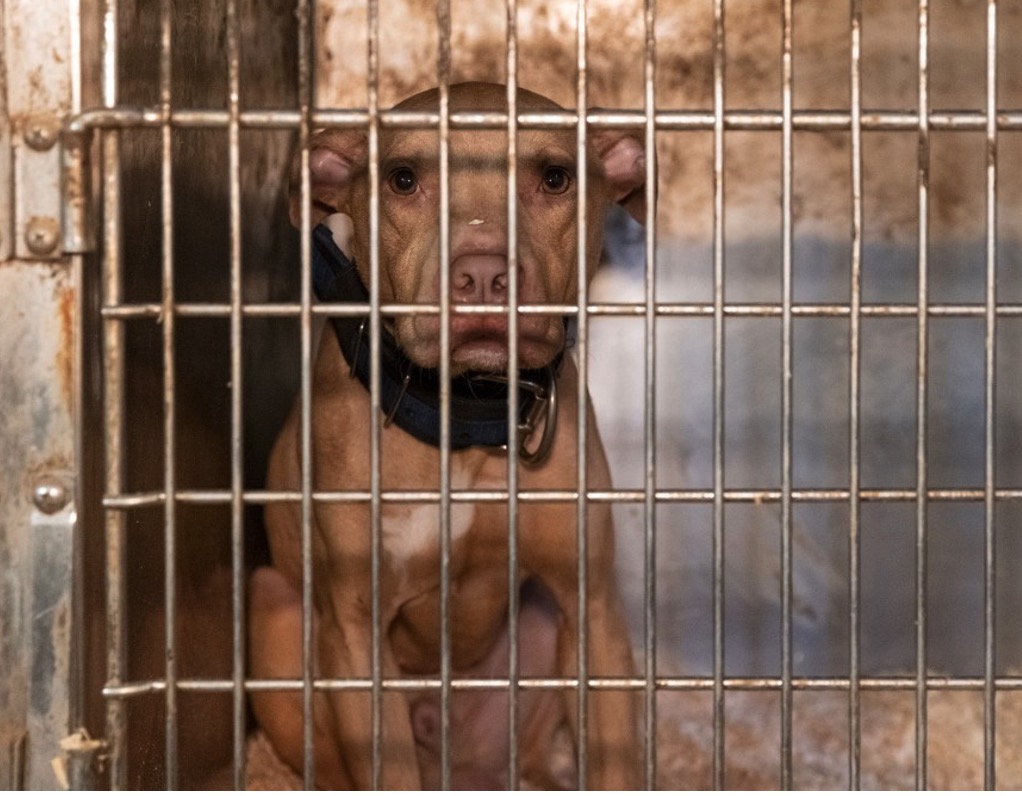
What cannot be disputed is that serious dog attacks continue to generate headlines nationwide, often leaving victims with life-altering injuries, emotional trauma, and significant medical expenses.
Municipal shelters were originally intended to protect public safety while providing opportunities for responsible pet adoption. Critics argue that some shelters have shifted their priorities toward reducing euthanasia statistics, sometimes at the expense of common-sense risk assessment.
The debate becomes even more complicated when dangerous animals spend years confined in kennels while organizations continue fundraising campaigns focused on "saving lives."
Is it humane to keep a severely aggressive dog in long-term confinement with little realistic prospect of adoption?
Is that truly a better outcome than humane euthanasia performed by trained veterinary professionals?
And perhaps most importantly, when donors contribute money to save shelter animals, do they understand how those funds are being spent?
These are difficult questions, but they deserve honest answers.
Animal lovers want to help. They want abandoned pets to find loving homes. They want shelters to succeed.
Yet the public also deserves transparency about the costs, risks, and consequences associated with "saving them all."
The debate should not be framed as choosing between compassion and cruelty. Rather, it is a discussion about balancing compassion for animals with responsibility toward people.
As shelters, rescue organizations, and policymakers continue to promote "No Kill" objectives, taxpayers and donors alike should ask an important question:
What does "saving" actually mean—and at what cost to animals, victims, and the communities expected to live with the consequences?
See my November 21 article in CityWatchLA: Dog Fighting in the U.S. – Rescuing Pit Bulls Does Not Mean They Are ‘Saved”
(Phyllis M. Daugherty is a former Los Angeles City employee and a long-time animal welfare advocate. A contributor to CityWatchLA, she is known for her investigative reporting on animal shelter operations, misuse of public funds, and the dangers of poorly regulated pet adoption policies. She is a strong proponent of public safety in animal control, advocating for stricter oversight of aggressive dog breeds, especially pit bulls, and for breed-specific legislation.)