

World Central Kitchen: Giving Gifts that Keep on Growing
ACCORDING TO LIZ - World Central Kitchen has been around since 2010 when Chef José Andrés headed for Haiti in the aftermath of the devastating earthquake. Cooking alongside displaced families in a camp, he was guided on the proper way to cook black beans the way Haitians like to eat them: mashed and sieved into a creamy sauce.
The epiphany was that it wasn’t just about feeding hungry people that was his finest contribution, it was listening and learning, cooking side by side with those impacted. That became the key meaning of the comfort food he brought survivors, and the core value embodied by José and his wife Patricia in founding of World Central Kitchen (WCK).
From a single act of compassion, Chef Andrés built an international charity focused on being first to the frontlines of humanitarian, climate, and community crises and implementing WCK’s core values of providing fresh local-style meals to those who have been displaced.
His efforts were recognized by charitable organizations around the world, but WCK only became front page news after the April 1, 2024, Israeli drone attack on a three-car convoy murdering seven aid workers. They were transferring a shipment of food from a makeshift pier to a warehouse in an area impacted by famine due to Israel's blockade of all supplies.
This was a week after the International Court of Justice unanimously ordered Israel to ensure the unhindered flow of aid into Gaza. The attack was intentional, violated standing rules of engagement and occurred despite the convoy's route having been coordinated in advance with the Israeli military.
The attack and subsequent unwarranted harassment and abuse of other organizers bringing humanitarian aid to the beleaguered people of Gaza, most notably one last year which included Greta Thunberg, has raised public awareness about the oppression of Palestinians by Israel.
A year ago, after serving more than 130 million total meals and 26 million loaves of bread over the previous 18 months, Israel barred WCK’s supplies from entering the enclave and the organization no longer had the supplies to cook meals or bake bread in Gaza. In response to the border closures and access to food supplies, WCK surged operations to provide a million hot meals a day while they could.
There’s another constraint – money. Since the start of the conflict in 2023, WCK has invested more than half a billion dollars feeding the people of Gaza.
WCK is funded entirely by private donations, most of them from small donors, which gives them the speed and flexibility to respond with emergency food relief to crises around the world. By that model capacity is finite and providing long-term food security for those suffering from the Israel’s genocidal actions is not sustainable.
Still, every day in Gaza, a 100% local WCK team does what they can for families that desperately need help Palestinian team never stopped, building water systems, storing and safe-guarding food and doubling staff. Palestinians feeding Palestinians.
But WCK is so much more. They worked in Los Angeles as wildfires destroyed communities in the Palisades and Altadena, forcing families to flee and shutting down neighborhoods. Within hours, WCK partnered with local restaurants, food trucks, and Chef Corps response team members to serve hot meals to evacuees and first responders; over 1.6 million meals in the weeks following the disaster.
And their efforts weren’t a one-and-done mission. With their local partners, WCK involved local farms in providing fresh ingredients at no cost, established a commissary kitchen so restaurants damaged by the fires could rebuild and reopen, fed families navigating long-term displacement, and helped communities reconnect with food, land, and one another through school and community gardens.
Now a WCK team is off to the devastating Spokane Complex Fires – 0% containment. hundreds of buildings burned, almost 70,000 evacuated – while another is hard at work in Pueblo County where thousands of Coloradans, initially forced to evacuate for the Aspen Acres Fire, are now facing flash flooding across the burn scar area even as the wildfire itself is only 68% contained.
WCK teams are also on the ground in France and Spain where unprecedented wildfires are advancing on cities and towns, olive groves and vineyards, threatening people, homes, history, and the economy.
As they serve fresh food to displaced people and those fighting those blazes, WCK teams are preparing to pivot to new disaster zones in tinder-dry southern Europe which is increasingly at risk for intense firestorms.
Last February, WCK headed through the snowstorms burying much of the northeast to bring thousands of warm healthy meals to people who had lost power and heat including to those unable to leave their homes.
This summer, WCK is on the ground in Hill Country, Texas, where severe rainstorms are inundating the region just over a year following 2025’s devastating Fourth of July floods. Teams are working with local community members and services to ensure residents receive relief and comfort food from known neighborhood restaurants.
When Hurricane Helene severely damaged the water system in Asheville, North Carolina, were on the ground supporting efforts to reconnect families to clean water.
When Super Typhoon Bavi struck the Northern Mariana Islands, compounding hardship for communities still rebuilding from Super Typhoon Sinlaku, WCK distributed ingredient kits with 22 days of staples like rice, noodles, and soy sauce so families could cook familiar foods and, with local partners, provided halal meals to those in need.
As overlapping humanitarian crises escalate across eastern Democratic Republic of the Congo – conflict, displacement, food insecurity, huge increases in sexual violence, and the new Ebola outbreak, WCK works with the internationally recognized Panzi Hospital to feed the afflicted and caregivers in a holistic approach to immediate treatment followed by socio-economic support to rebuild lives.
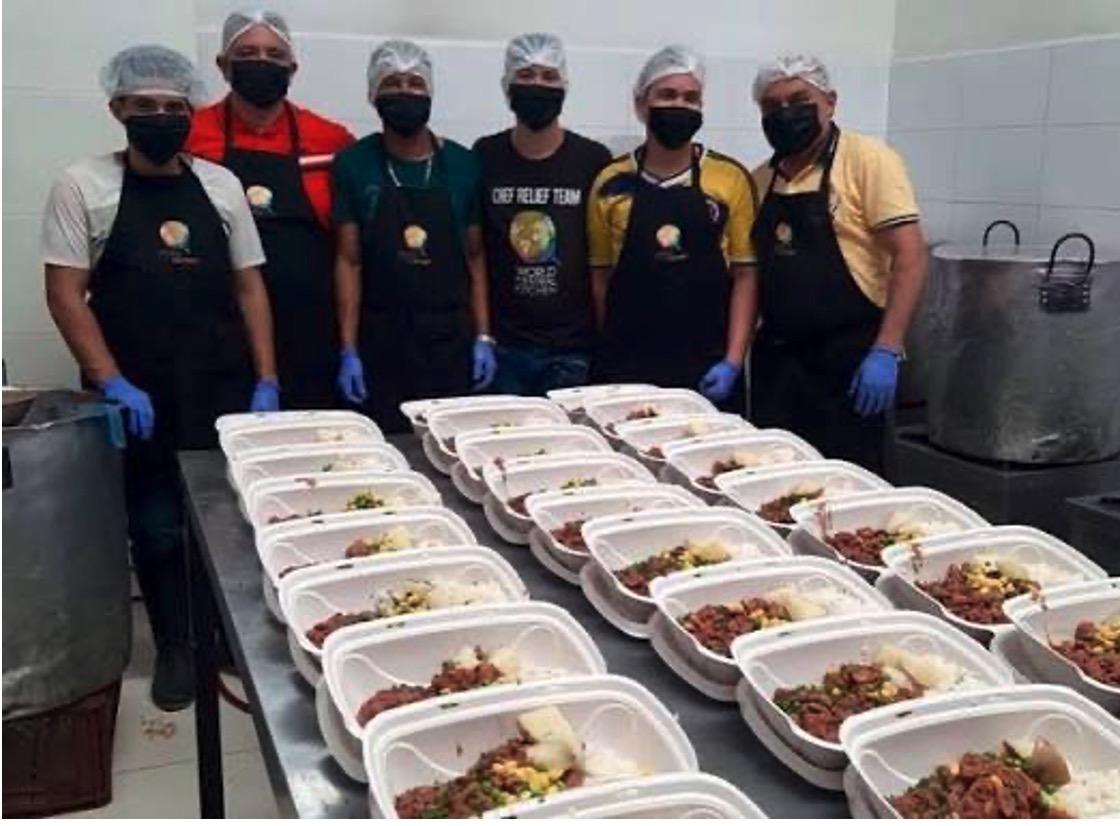
WCK in Venezuela after Earthquake
In weeks following Venezuela’s devastating June 24 earthquakes, WCK teams served more than 1.1 million meals to families, responders, and volunteers, and is investing in local partnerships to ensure neighbor-to-neighbor support continues during magnitude of reconstruction ahead.
Where merited, WCK empowers other long-term projects such as an initiative to distribute seed kits across Ukraine, over 300,000 since 2023, nurturing the country’s culture of self-reliance. Before the Russian invasion over half of Ukrainian families grew home gardens to supplement food needs. Now a pilot program is delivering greenhouses to frontline communities to help displaced farm families rebuild, linking them back to the land lost when the war began.
Growing plants also provides food for the soul.
This is the power of community. Local knowledge. Local heart. Local hands.
To contribute to their work and further explore the work of Chef José Andrés and the WCK teams, visit their website.
(Liz Amsden is a former Angeleno now living in Vermont and a regular CityWatch contributor. She writes on issues she’s passionate about, including social justice, government accountability, and community empowerment. Liz brings a sharp, activist voice to her commentary and continues to engage with Los Angeles civic affairs from afar. She can be reached at [email protected].)