
Sun Valley Cannot Wait for the Next Storm
SUN VALLEY - Los Angeles says it is preparing for a potentially severe El Niño season. But in Sun Valley and adjacent areas in city council district six, where ordinary rain already exposes broken pavement, clogged drainage, large potholes, trash-strewn streets, and vulnerable sidewalks, residents have every reason to ask whether preparation will arrive before - not after - the next flood.
A warning written in water
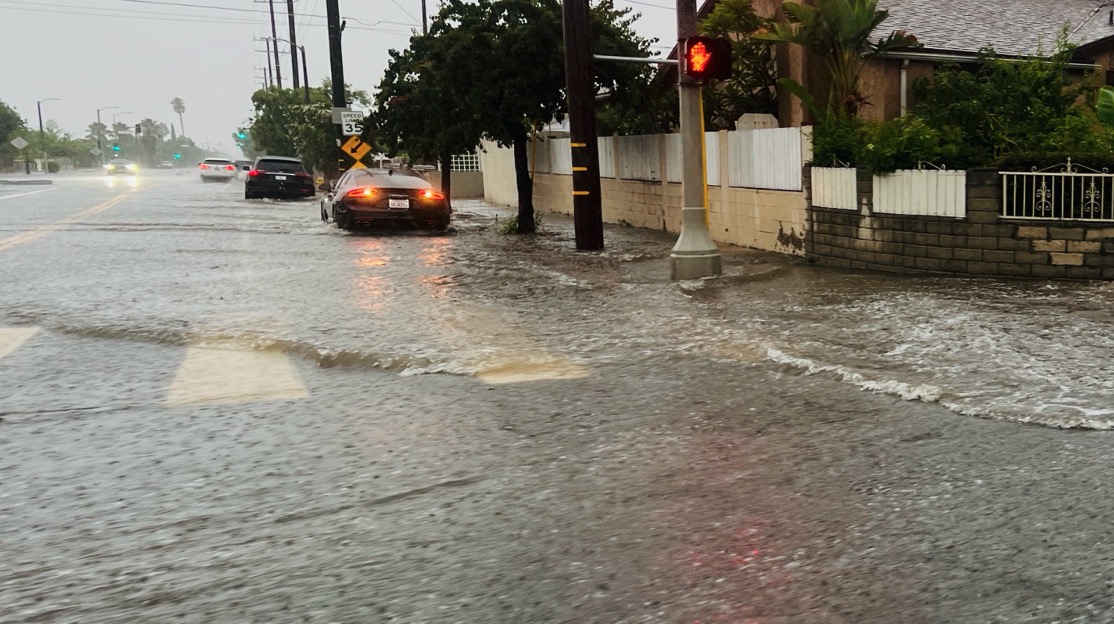
Sun Valley is not a hypothetical disaster zone. It is one of Los Angeles’ most flood-prone communities, a largely working-class community long burdened by polluting industrial activity, landfills, heavy truck traffic, broken roads, potholes, poor or no drainage, and the least green space. When rain falls hard, water does not simply move through the neighborhoods; it pools in streets, carries debris, damages property, and turns existing failures in roads and drainage into immediate safety hazards.
This danger is not new. In 2005, City of Los Angeles civil engineer Rory M. Shaw was killed when floodwaters swept him into a sinkhole that opened on Tujunga Avenue (see the photo) as he worked to address storm-related conditions. At the time - and for years afterward - much of Sun Valley lacks a flood-control system and adequate storm drains. Already exhausted and crumbled infrastructure has gotten worse. His death should have served as a lasting warning: in a community without resilient infrastructure, heavy rain is not simply an inconvenience. It can be deadly.
Now officials are warning of an unusually strong El Niño season and the potential for heavy rain, flooding, debris flows, dangerous winds, and damaged roadways – a once in a lifetime event. The city says it has formed “a task force”, clears catch basins, and has crews prepared to respond. L.A. County says it is inspecting and clearing flood-control infrastructure, including storm drains, channels, dams, pump stations, and debris basin. Nothing specific to pinpoint to specific locations. Those measures are necessary. But they are not enough if neighborhoods such as Sun Valley continue to enter storm season with potholes, failed pavement, ditches, deteriorated sidewalks, insufficient drainage, illegal dumping, and an unfinished flood-control project at the center of the community’s long-promised protection.
The promise of Rory Shaw Park
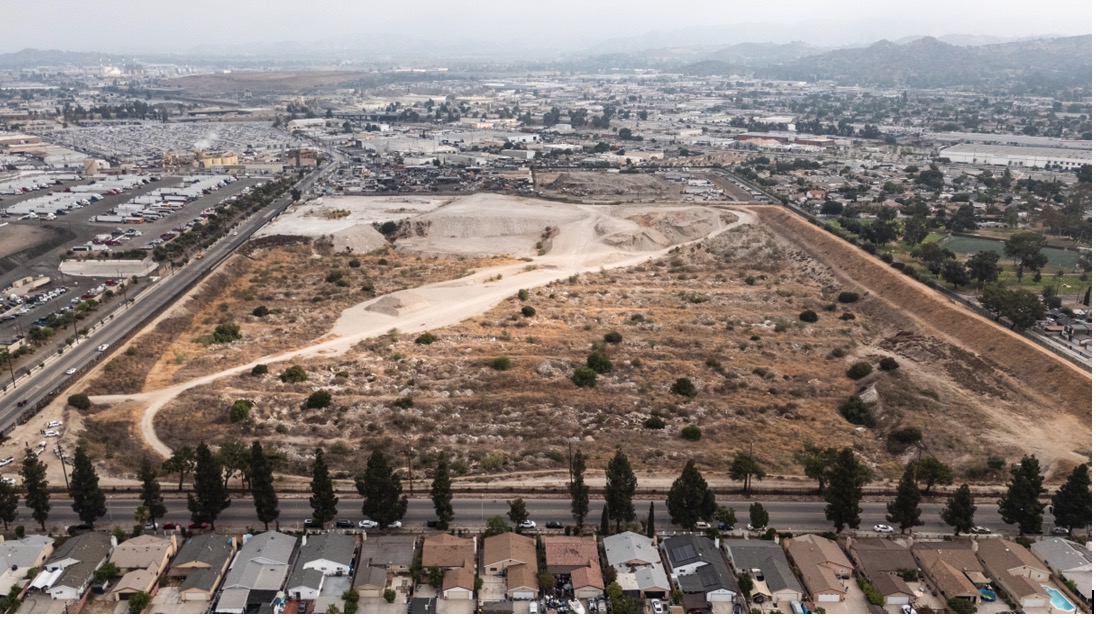
The Rory M. Shaw Wetlands Park Project was conceived as a transformative answer to Sun Valley’s flooding and environmental inequities. The project would convert a 46-acre former construction-debris landfill into a stormwater-capture and flood-control facility with park amenities. It is designed to capture runoff from a 929-acre upper watershed, treat it, and move it to adjacent Sun Valley Park for groundwater recharge or downstream drainage. A separate Upper Storm Drain Project is proposed along Glenoaks Boulevard, San Fernando Road, Tuxford Street, and Tujunga Avenue.
The plan is not cosmetic. It is supposed to reduce flood risk, reduce stormwater pollution, conserve water, create wildlife habitat, and bring sorely needed open space to Sun Valley. It is a public-safety project, a water-supply project, an environmental-justice project, and a quality-of-life project. But the community has heard these promises for more than two decades. The Sun Valley Watershed Management Plan was approved in 2004. The Sun Valley Park Drain and Infiltration System was completed in 2006. The landfill site was acquired between 2008 and 2012. Community design workshops occurred in 2011. The project was renamed in Shaw’s memory in 2013, and a groundbreaking ceremony occurred in 2014. Yet in 2026, the permanent project still awaits the financing and multi-year construction necessary to make it real.
County officials acknowledge that implementation has been delayed by the site’s complexity and cost. Organic landfill material and methane discovered in 2014 required a substantial redesign, the addition of a passive methane-treatment system, and extensive geotechnical investigations. The county’s current account says financing efforts are ongoing through state and federal loan programs, while the project remains delayed due to its significant construction cost. Those explanations may be real. They do not erase the result: another storm season is approaching while the community is still waiting.
What residents see now
Residents living near the site have described what government reports often reduce to technical phrases: flooding during even small rain, debris and trash around the project perimeter, dust, deficient sidewalks, inadequate drainage, potholes, and streets that become “lakes.” The county has responded with interim improvements costing about $4.1 million for new fencing, landscaping, irrigation, trees, and other perimeter improvements in 2025. These are welcome steps, but fencing and landscaping at the cost of $4 million are not flood control. A community facing rising water needs functioning drains, maintained streets, clear gutters and catch basins, safe sidewalks, repaired pavement, enforceable cleanup standards, and a clearly funded, publicly accountable schedule for the permanent infrastructure it has been promised.
This is especially urgent around the project perimeter, where nearby businesses, discarded materials, illegal dumping, and encampment-related debris can become part of the flood hazard when intense water carries trash and obstructions into streets and drainage paths. This is not a reason to stigmatize unhoused people; it is a reason for the City and County to provide consistent sanitation, outreach, shelter options, fixing potholes, waste removal, and drainage maintenance before severe weather turns neglect into danger.
Enough announcements - show the plan
Mayor Karen Bass has said city crews are clearing catch basins, preparing for flood impacts, and coordinating with emergency agencies for the approaching El Niño season. The City has also stated that street services crews are on standby and that residents can report flooding, road hazards, and other public-right-of-way problems through 311. The city has also publicized pothole work, stating that more than 10,000 potholes had been filled in 2026 following winter storms, and the adopted budget calls for increased street and sidewalk repair funding. Where does Sun Valley or district six stand in this “glorious city efforts”?
Those citywide numbers do not answer Sun Valley’s neighborhood-level question: Which streets are being repaired before the next major storm (if at all), which catch basins are being cleared, where are temporary pumps or barricades being staged, and who is accountable if known hazards remain open when the rain arrives?
Sun Valley is in Council District 6, represented by councilmember Padilla who said the Rory Shaw project is one “Sun Valley residents have anticipated and deserved for a very long time” and that she is committed to identifying strategies to accelerate it. The question now is whether that commitment will be translated into visible, measurable action before the next storm, not into another press release after streets flood or claiming credit for someone else’s work.
Mayor Bass, Councilmember Padilla, County Supervisor Lindsey Horvath, Los Angeles County Public Works, and state leaders should jointly publish a Sun Valley-specific emergency readiness plan within days, not months. The plan should include:
- A map of priority flood streets, damaged pavement, blocked drains, no drains, standing-water sites, and known debris hotspots in Sun Valley and adjacent communities.
- A public schedule for catch-basin cleaning, storm-drain inspection, pothole repair, sidewalk hazard repair, street sweeping, and illegal-dumping removal.
- Immediate cleanup and security around the Rory Shaw Park perimeter, including a response protocol for windblown trash, debris, dust, and drainage obstruction.
- Clearly identified sites for sandbags, emergency supplies, temporary shelters, outreach teams, and road-closure notifications. Houses on Tujunga Ave will be under water after this storm.
- A public funding ledger for the Rory Shaw Park and Upper Storm Drain projects: money received, money spent, funding still needed, loan applications pending, and a realistic construction timeline.
- A named point person residents can contact directly when a problem is reported but not resolved through 311, which is most of the service requests.
The test is before the rain
Election cycles regularly produce promises, photo opportunities, ribbon cuttings, and statements about resilience and environmental justice in disadvantaged communities. But climate resilience is not a slogan. It is whether a parent can walk a child down a sidewalk without stepping into a flooded ditch. It is whether an ambulance can travel a pothole-ridden street in a storm. It is whether debris is removed before it reaches a drain. It is whether a worker sent to respond to flooding returns home safely. It is whether there actually IS A DRAIN.
The Rory Shaw Park Project should be completed, not endlessly celebrated as a future possibility. Its delays may have legitimate engineering, environmental, and financing causes, but the community should not bear the full cost of governmental delay. Los Angeles cannot claim to be ready for a major El Niño event while communities such as Sun Valley are expected to weather it with crumbling roads, neglected drainage, and decades-old promises.
The public deserves direct answers:
Mayor Bass: What specific Sun Valley streets, drains, and flood hazards will be addressed before the next severe storm?
Councilmember Padilla: What will your office do to ensure that Sun Valley receives immediate street, sidewalk, drainage, potholes, sanitation, and emergency-preparedness resources, not just long-term assurances?
Governor, state and county leaders: Will California help close the remaining funding gap for Rory Shaw Park and the Upper Storm Drain Project before another season of dangerous flooding exposes the consequences of delay?
Sun Valley has waited long enough. It should not take another tragedy, another sinkhole, or another flooded neighborhood for government to act as though this community matters.
Supervisor Horvath: What will your office do to ensure this project moves forward without further delays?
(Mariam Moore is the founder of TCCI, the first environmental non-profit organization dedicated to advocate for environmental justice in disadvantaged communities of color, Sun Valley, in particular.)