

Water Main Break Floods West Hollywood Streets, Underscores Aging Infrastructure Concerns
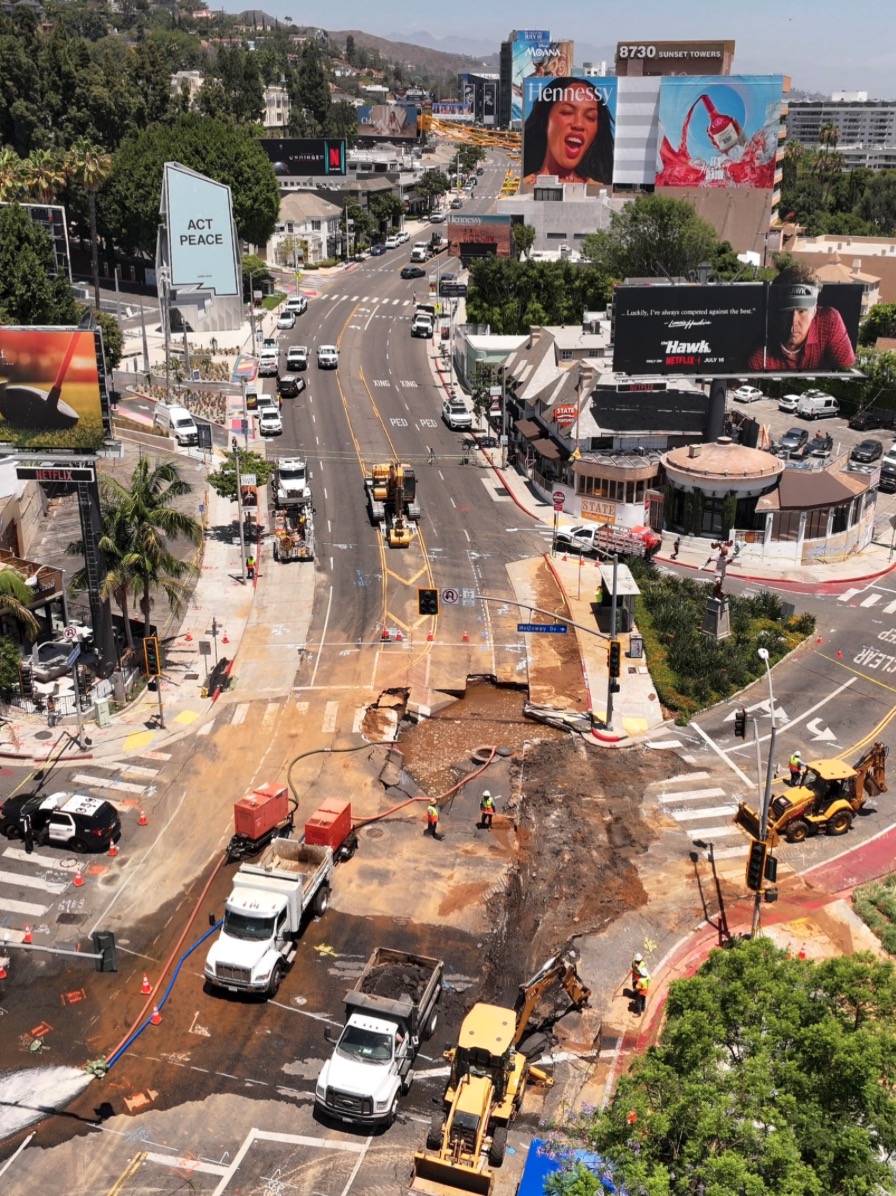
AGING INFRASTRUCTURE - A major water main break sent thousands of gallons of water rushing through the streets of West Hollywood on Thursday morning, flooding portions of Sunset Boulevard near Palm Avenue, creating a sinkhole, disrupting traffic, and renewing concerns about the condition of Southern California's aging underground infrastructure.
The break occurred before dawn at around 2:30am, transforming normally busy streets into fast-moving streams as water poured from beneath the pavement and surged through intersections. Video from the scene showed water flowing curb to curb, inundating traffic lanes and surrounding sidewalks while city crews responded to contain the leak.
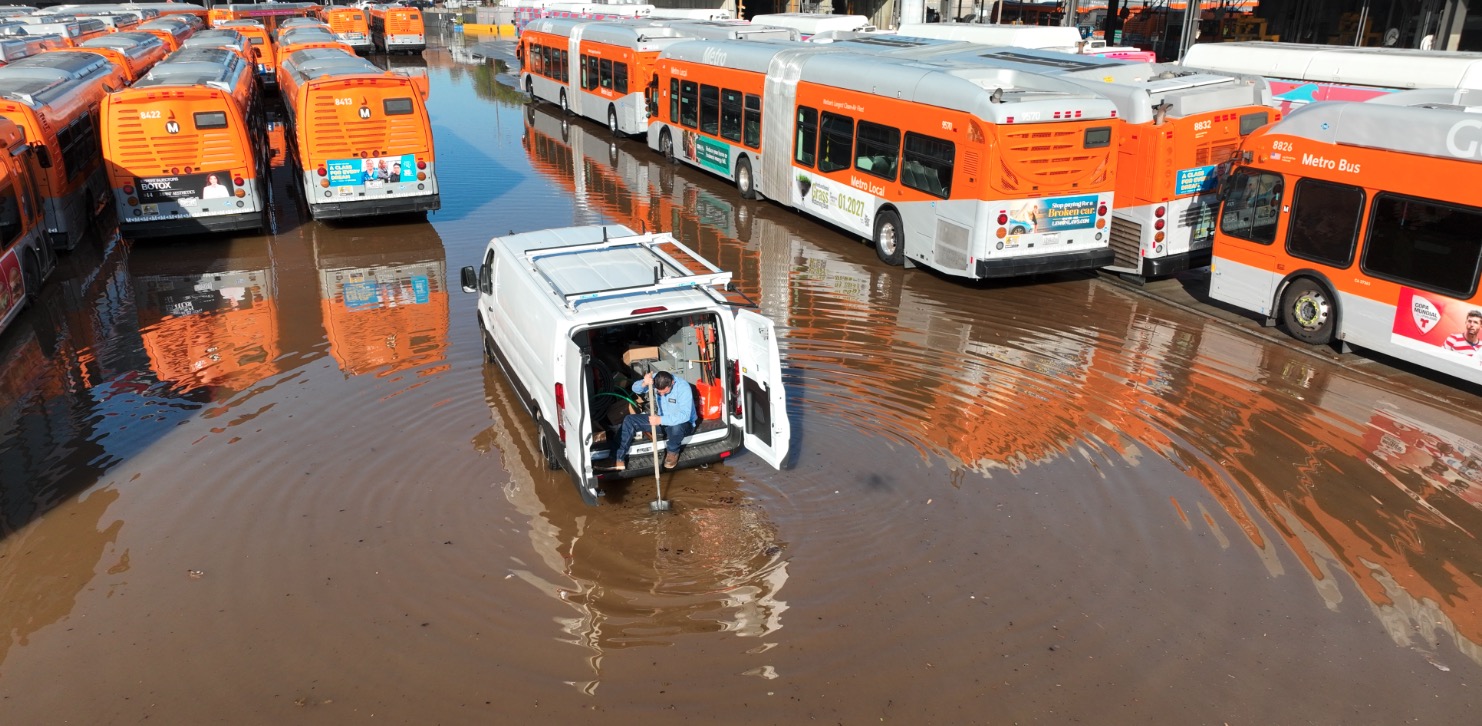
LADWP utility crews worked to isolate the damaged main, while traffic was diverted around the affected area. Residents and businesses experienced temporary water service disruptions as repairs got underway.
Although no serious injuries were immediately reported, the incident served as another reminder that much of the region's water delivery system was installed decades ago and continues to age faster than it can be replaced.
Throughout Los Angeles County, thousands of miles of underground water mains are well beyond their intended service life. Many pipes, some dating back to the early twentieth century, remain vulnerable to corrosion, shifting soils, changing temperatures, heavy traffic loads, and increasing water pressure demands.
Infrastructure experts have long warned that deferred maintenance creates a growing backlog of repairs. While utilities prioritize replacement projects based on risk assessments and available funding, unexpected failures continue to occur with little warning.
The incident also highlighted the economic consequences of aging infrastructure. Beyond the cost of repairing broken pipes, water main failures can damage streets, undermine roadbeds, interrupt business activity, create traffic congestion, and waste millions of gallons of treated drinking water.
Climate conditions may also be increasing the frequency of such failures. Extended drought periods followed by wetter conditions can cause soils to expand and contract, placing additional stress on underground pipelines. Higher summer temperatures and heavier infrastructure demands further compound the problem.
Water main breaks have become increasingly familiar across Southern California as utilities struggle to modernize systems originally built for much smaller populations. While many agencies have accelerated replacement programs, the sheer size of the underground network means repairs often lag behind deterioration.
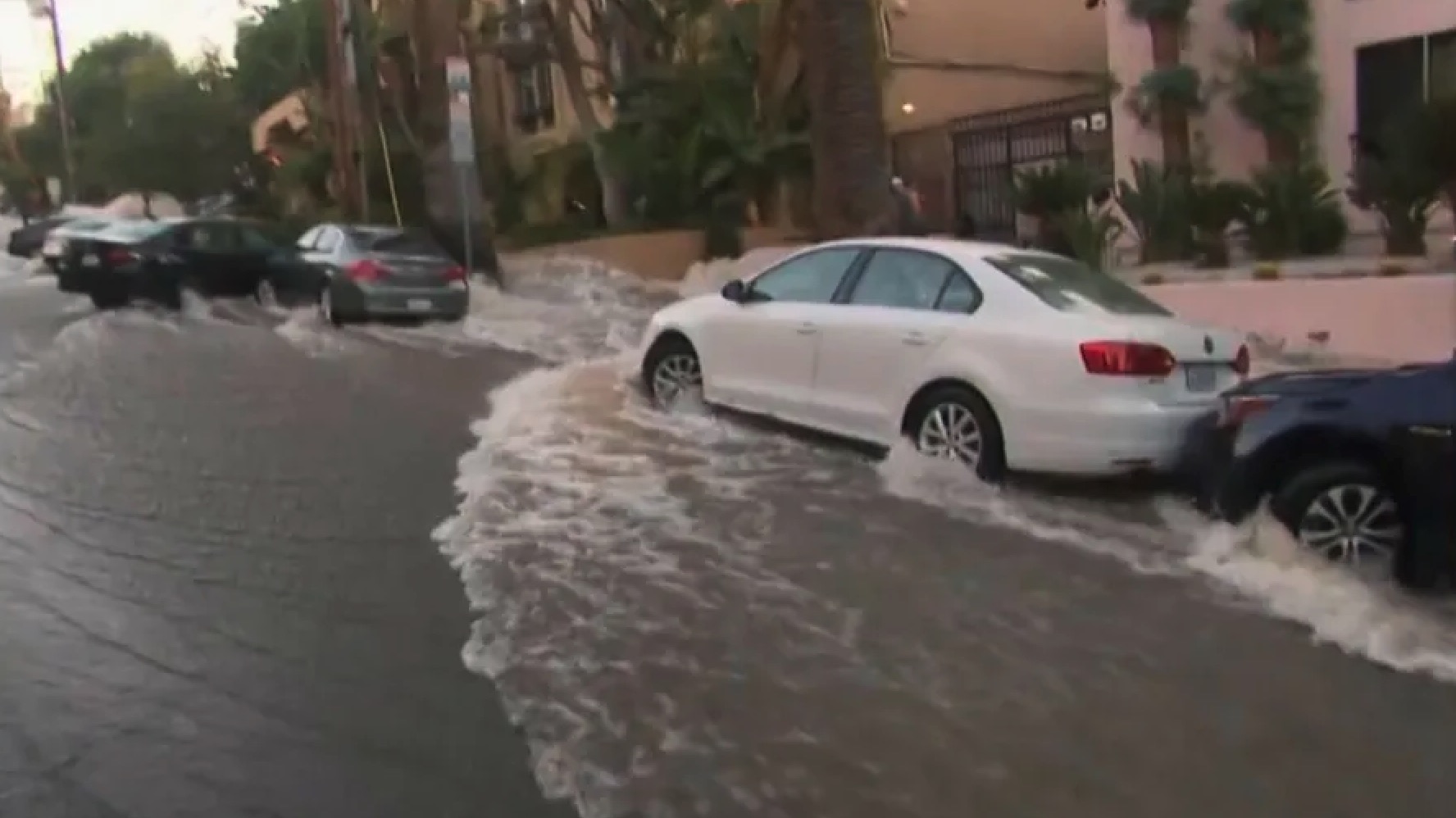
For residents caught in Wednesday morning's flooding, the broader policy debate was secondary to the immediate disruption. Motorists navigated flooded intersections while emergency and utility crews worked to restore normal conditions.
As repairs continue, the West Hollywood break offers another visible reminder that much of the infrastructure people rely upon every day remains hidden beneath the streets—until something goes wrong.
The flooding also raises a broader question for policymakers throughout the region: whether current investment levels are sufficient to keep pace with the growing needs of an aging water system before emergency repairs become the norm rather than the exception.
(Jim Hampton is the Publisher and Editor of CityWatchLA.com. With over 40 years of experience in radio broadcasting, marketing, and content creation, Jim helped launch CityWatch online with founding editor Ken Draper more than two decades ago. He continues to guide the platform’s mission to provide independent news and opinion on Los Angeles government, policy, and civic life.)