

Reports Soar, Citations Collapse: Who Is Dumping on Los Angeles?
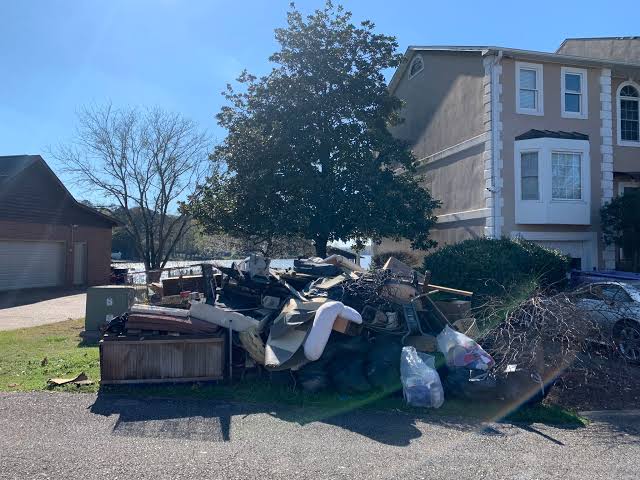
THE NAVARRO REPORT - Los Angeles residents are doing their part. They are picking up the phone, opening the app and reporting the mattresses, couches and construction debris piling up on their streets. The city, by contrast, is struggling to answer the most basic question those reports raise: who is doing the dumping?
The numbers are stark. According to Spectrum News, which analyzed city 311 data and records obtained through a public records request, illegal dumping pickup requests climbed from 114,268 in 2024 to 383,551 in 2025. This year, the city has already logged 234,900. Over the same period, citations for illegal dumping fell from 102 in 2024 to 81 in 2025, and just 29 so far this year. Hundreds of thousands of complaints have produced a few dozen tickets.
The cleanup bill
The cost is real. The California Post, citing city records it obtained after a four-month fight with the city, reported that crews removed millions of pounds of illegally dumped garbage and that cleanup cost $42 million last year alone. The same records indicate that illegal dumping investigations largely ground to a halt in July 2024, leaving 350 cases backlogged by May 2025. Three council districts accounted for more than half of the garbage collected citywide in 2025.
The county sees the same trend. Public Works hauled more than 49 million pounds of illegally dumped waste in 2025, a 14% increase.
A problem the city has known about for years
None of this is new. A 2021 audit by then-Controller Ron Galperin found that dumping requests had nearly tripled, from an average of 850 per month in 2017 to 2,494 per month in early 2020. The enforcement unit was authorized for 28 inspectors but had only 16, and just five were sworn officers who can issue citations and make arrests. The city had only 19 surveillance cameras for illegal dumping across its 468 square miles.
The audit also warned that a 2019 surge in enforcement, when the unit issued 205 citations and written warnings, was likely unsustainable given staffing limits. The more recent numbers suggest that warning was right. The audit's recommendations included higher fines, more cleanup crews and more cameras. Under the municipal code, infraction fines run up to $200 for a first violation and $250 for a second.
The accountability gap
Here is the question the city should answer: if no one is identified, no one can be held accountable. Cleanup crews remove the debris, the bill lands on taxpayers, and the person who left it walks away. That is not just an enforcement failure. It is a financial one, because every unpunished dump becomes a public expense.
The contrast with the city's broader budget is hard to ignore. LA Sanitation describes itself as having roughly 3,200 employees and an operating budget near one billion dollars. Most of that money flows through the self-supporting sewer program and the solid waste fund rather than the General Fund. Still, the department that spends so heavily on collecting trash has little capacity to find the people who illegally leave it behind. The city's own budget memo notes that illegal dumping fines go to the General Fund, and that the Stormwater Pollution Abatement Fund cannot be used for dumping investigations. The people who clean up the mess and the people who could stop it are funded through different doors.
Paying more, getting less?
Residents are also paying more. The monthly trash fee for single-family homes rose 54 percent, from $36.32 to $55.95, the first increase in 17 years. Some activists argue the higher fee is pushing people to dump instead. The data does not prove that, and this column does not claim it. But it is fair to ask what residents are getting for the extra money when complaints are climbing and citations are falling.
LA Sanitation's spokesperson declined repeated requests for comment from Spectrum News, and the department should say publicly how many investigators it has today, how many cases are backlogged and what it intends to do about it.
What the city should answer
How many dumping investigators are on the job right now? How many cameras are watching the hot spots, up from the 19 counted in 2021? Why did investigations stall in July 2024, and have they restarted? And could fines be directed back to the enforcement that earns them?
A city that logs 383,551 reports in a year and writes 81 tickets is not enforcing the law. It is cataloguing its own failure.
(Jose E. Navarro, MBA, is a San Diego–based financial controller, public finance analyst and founder of The Navarro Report. With more than 20 years of experience in public finance, nonprofit management and government contract compliance, he writes about government spending, transparency and public accountability.)