---
[ VOICES ](https://mail.citywatchla.com/voices)
# Data Centers: Why Supporters and Critics Are Both Right—and How LA Can Lead
September 24 2026
Written by NICK PATSAOURAS.
[](https://www.addtoany.com/share)
NICK’S VIEW - The future has arrived, creating new tensions between human ingenuity and the political systems tasked with managing its consequences. At the center of today’s most contentious national debates are data centers—the facilities that make modern digital life possible.
And the key question is whether we can pursue innovation while preserving the dignity and cohesion of our communities.
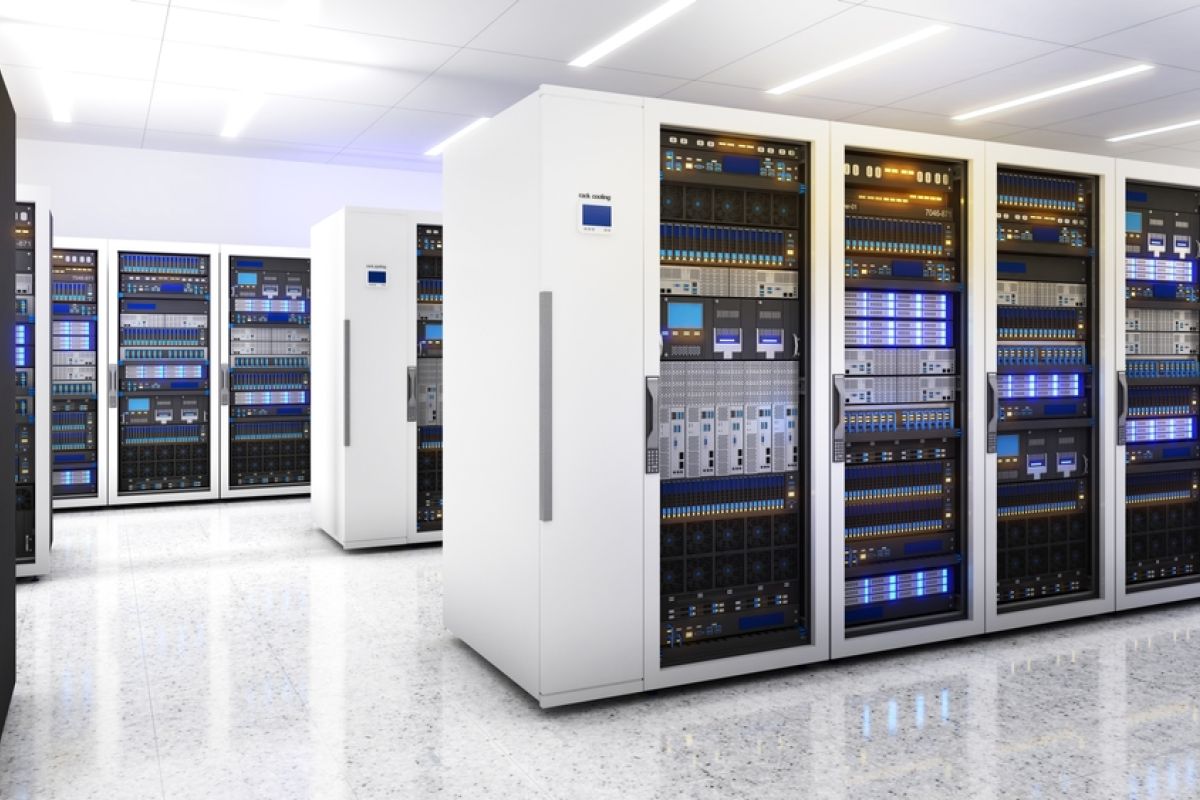
A data center contains electronic equipment that processes, stores, and transmits massive amounts of digital information. It also powers Artificial Intelligence (AI). Every digital action we take—sending a message, streaming a movie, or checking a bank balance—depends on computation inside a data center.
Supporters claim that data centers have major advantages, such as economic growth, reliability, and scalability. They are today’s engines of economic growth and technological leadership.
Opponents claim they have major drawbacks, such as huge energy use, heavy water consumption, noise, and numerous community impacts. They impose legitimate environmental and community costs that must be strictly managed.
Consequently, a controversial political debate has emerged, centered on how to balance these competing realities through regulation, planning, and community engagement.
AI-driven data center expansion has run headlong into community limits, turning backlash into a politically explosive infrastructure debate at the local, regional, national, and global levels. For decades, we imagined the internet as weightless—a realm of pure information untouched by land, water, or politics. That illusion has collapsed. Today’s data centers sit at the new technological frontier, demanding immense electricity, cooling water, and land, and revealing the cloud not as a metaphor but as a physical empire spreading across farmland, suburbs, and industrial corridors.
The Wall Street Journal on Sept. 3, 2026, reported that “In the $1 trillion race to build AI data centers, time is money and money is no object.” It added that it can take as much as three years to build a large data center, time and hyperscalers battling for supremacy in artificial intelligence can’t afford to lose.
The giants, Amazon, Google, Meta, Microsoft, Oracle are driving hyperscale data centers which are massive digital infrastructure facilities designed to handle extreme computing, storage, and networking workloads with high efficiency and seamless scalability. They are seeking land, water, and power at unprecedented scale. But they are criticized for secrecy in their strategy and for shifting infrastructure costs onto communities.
President Trump defends data centers as major job creators and tax generators, even as many politicians flee from them.
Conversely, Sen. Bernie Sanders calls for a federal moratorium on new AI data centers, citing environmental strain, rising electricity bills, and corporate power.
In a striking political reversal, Texas Republican Governor Greg Abbott, who once called his state the “epicenter of AI development,” now says data centers have “dug their own grave,” according to Time Magazine.
Illinois Democratic Governor J.B. Pritzker, who signed a bipartisan 2019 law creating incentives for data center construction, later warned that unchecked growth could lead to “higher electric rates, higher water rates or environmentally unsound practices,” according to Time. In June, he unilaterally paused applications for the tax credits he had helped create.
California’s Democratic Governor Gavin Newsom has shifted from caution about regulating data centers to support for stricter oversight, including special electricity tariffs, mandatory water-use reporting, and full CEQA review. However, he opposes a statewide moratorium and wants California to remain a technology leader.
Columnist Jonah Goldberg, writing in the Los Angeles Times on August 29, said, “Don’t look now, but we seem to have a moral panic on our hands.” He was referring of course to AI and added: “The only question is whether America should take the lead or let China. If your answer is ‘America,’ then data centers are the price. If your answer is ‘China,’ then by all means keep freaking out.”
Public opinion is clearly and increasingly against data centers, especially when they are proposed near residential communities. Opposition is strong, bipartisan, and rising across the country. In a letter to the editor of the LA Times, Steven Rice of Thousand Oaks, disagreed with Goldberg’s opinion column, and said, that “If it was all no big deal, the developers wouldn’t be doing in secret, behind fences and skirting the rules whenever possible.”
Time Magazine said the real cause of the public outrage is because Americans are skeptical of AI, distrust the firms that build it and fear it will lead to job losses.
“The question is whether public opinion is still malleable.” According to the magazine, a poll by Echelon Insights, found that opposition to data centers could be reversed if respondents were told about just one potential benefit, such as lower property taxes or more spending for schools.
Then there are the NIMBY (Not In My Back Yard) opponents: residents who do not want data centers near their homes because they fear enormous electricity and water demands, noise, pollution, higher utility bills, land-use disruption, and few local jobs—leaving communities to bear the costs while benefits flow elsewhere.
A few days ago, on September 16, the House passed the Ratepayer Protection Act by a 417–3 bipartisan vote. The bill is designed to protect families and small businesses from higher electricity bills driven by AI data centers’ massive power needs. It directs state utility regulators to consider rules requiring large-load customers, including AI data centers, to pay the full cost of the new power and transmission upgrades needed to serve them.
The Act, however, creates no process for local governments and applies only to state utility regulators, not cities or counties.
The bill now moves to the Senate, where its fate depends on whether leadership schedules a vote before lawmakers leave Washington for the midterm campaign season. If the Senate passes it, it goes to the President for signature. If the Senate delays, the bill risks stalling until after the election.
But at this moment, genuine concerns at the local level deserve genuine action.
I have discussed data centers extensively with executives of utilities. In that role, they oversaw Integrated Resource Plans, strengthened resilience and conservation efforts during drought and the Colorado River crisis, and led technology-driven modernization initiatives.
We agree that Los Angeles should not simply decide whether to welcome AI data center investment but determine how to do so without forcing existing residential and business customers to bear the infrastructure, generation, transmission, water-reliability, and large-load risks these projects create.
Saying NO to such an opportunity may be politically easy, but it is not a strategy. Los Angeles does not need to choose between economic growth and protecting taxpayers. It can do both.
LADWP must quickly develop a modern large-load policy to govern how major, high-speed electricity users connect to the grid, how their demand is forecast, how they pay for needed infrastructure, and how their operations are managed to protect reliability.
The first step is to establish a threshold requiring proposed customers to complete a comprehensive impact study. This review would evaluate environmental, economic, social, infrastructure, and governance effects together, giving planners a fuller basis for modern infrastructure decisions while identifying the additional work needed to serve the project.
A dedicated rate should apply to large-load customers whose electricity demand far exceeds that of typical commercial users. These rates should reflect the full cost of service, including the added infrastructure and resource requirements created by their load.
That approach would not make Los Angeles uncompetitive; it would make the economics transparent.
Major projects should enter long-term service agreements backed by meaningful financial commitments. The utility cannot invest hundreds of millions of dollars in infrastructure without protection if a project is downsized, delayed, or canceled. Financial guarantees can help manage that risk, with customer responsibility increasing as project risk rises.
Most importantly, Los Angeles should create a capacity-queue process—a formal, engineering‑driven waiting line—that evaluates proposed load, timing, and infrastructure needs. This would allow the city to prioritize projects that deliver the greatest economic and community value.
Los Angeles should also designate preferred development areas based on available utility capacity. Projects requiring major system upgrades should pay an appropriate share of those costs, making location a central part of infrastructure planning and economic development.
Because Los Angeles is water-constrained, water use must receive the same scrutiny as electricity. Every data center proposal should disclose expected consumption, cooling technology, and efficiency measures.
Los Angeles should also require clear community standards for noise, land use, backup generation, and emissions. Clear rules would make Los Angeles more attractive to serious investors by defining expectations before developers commit billions of dollars.
AI is becoming essential to the global economy, scientific research, advanced manufacturing, health care, communications, and national competitiveness. Nations, companies, and regions are racing to build the infrastructure and skilled workforce needed to support it.
Los Angeles can help shape the future with its universities, research institutions, entertainment and media companies, aerospace and defense industries, technology firms, financial resources, and diverse workforce.
Concerns about electricity, water, noise, and neighborhood impacts should lead to stronger policy, not prevent responsible development. With clear rules, data centers can bring jobs, investment, tax revenue, workforce development, and other measurable benefits without shifting costs to ordinary utility customers.
To attract data centers, Los Angeles must first address its internal obstacles and present a clear, unified political strategy. That requires confronting the structural weaknesses that make the city appear fragmented, slow, and unpredictable to infrastructure developers, then replacing these weaknesses with a coherent citywide framework that demonstrates competence, capacity, and political alignment.
Data center investment will flow to cities that show competence, clarity, and capacity. Los Angeles has the land, workforce, and strategic location. Now it needs political coherence to match. Taking these concerns seriously—and acting on them—can satisfy both supporters and opponents.
*(**Nick Patsaouras** is an electrical engineer, civic leader, and a longtime public advocate. He ran for Mayor in 1993 with a focus on rebuilding L.A. through transportation after the 1992 civil unrest. He has served on major public boards, including the Los Angeles Department of Water and Power, Metro, and the Board of Zoning Appeals, helping guide infrastructure and planning policy in Los Angeles. He is the author of the book "The Making of Modern Los Angeles.")*
[  ](https://mail.citywatchla.com/component/banners/click/107 "LA DWP | Save $4K, Green | Priority Ad")
[  ](https://mail.citywatchla.com/component/banners/click/98 "Donna Tryfman - HS1-1")
[  ](https://mail.citywatchla.com/component/banners/click/82 "LA DWP #2 (Power Savers)")
[  ](https://mail.citywatchla.com/component/banners/click/111 "David DeJute Campaign")
[  ](https://mail.citywatchla.com/component/banners/click/97 "Home - LA DWP #2 (Pay Water Bill Help)")
[  ](https://mail.citywatchla.com/component/banners/click/112 "Anna Reitano Vertical R. Col")

## Get The News In Your Email Inbox Mondays & Thursdays
Message
[  ](https://mail.citywatchla.com/component/banners/click/113 "Rhonda Haymon campaign")
---
## Featured CityWatch Stories
[  ](https://mail.citywatchla.com/housing/33413-with-national-implications-corporate-landlords-take-aim-at-three-pro-rent-control-campaigns-in-california)
### [With National Implications, Corporate Landlords Take Aim at Three Pro-Rent Control Campaigns in California](https://mail.citywatchla.com/housing/33413-with-national-implications-corporate-landlords-take-aim-at-three-pro-rent-control-campaigns-in-california)
HOUSING IS A HUMAN RIGHT - Corporate landlords and their high-powered lobbying group, the California Apartment Associat…
[  ](https://mail.citywatchla.com/los-angeles/33386-massacre-on-city-streets-mayor-bass-must-issue-an-emergency-declaration-now)
### [Massacre on City Streets: Mayor Bass Must Issue an Emergency Declaration Now](https://mail.citywatchla.com/los-angeles/33386-massacre-on-city-streets-mayor-bass-must-issue-an-emergency-declaration-now)
NICK'S VIEW - I have previously written about Los Angeles’s grim paradox: a city that promises safer streets while bein…
[  ](https://mail.citywatchla.com/la-watchdog/33395-should-dwp-ratepayers-pay-for-the-citys-streetlights)
### [Should DWP Ratepayers Pay for the City’s Streetlights? ](https://mail.citywatchla.com/la-watchdog/33395-should-dwp-ratepayers-pay-for-the-citys-streetlights)
LA WATCHDOG - In June, 80% of Los Angeles voters rejected the Bureau of Street Lighting’s ballot measure to increase th…
[  ](https://mail.citywatchla.com/neighborhood-politics/33398-why-are-la-officials-ignoring-illegal-rv-parking-on-washington-blvd)
### [Why Are LA Officials Ignoring Illegal RV Parking on Washington Blvd?](https://mail.citywatchla.com/neighborhood-politics/33398-why-are-la-officials-ignoring-illegal-rv-parking-on-washington-blvd)
WESTSIDE - Washington Blvd here in Venice is a main artery and corridor to the beach and pier. It is in fact a gateway…
[  ](https://mail.citywatchla.com/guest-words/33419-they-tried-to-break-the-jewish-people-we-kept-building)
### [They Tried to Break the Jewish People. We Kept Building](https://mail.citywatchla.com/guest-words/33419-they-tried-to-break-the-jewish-people-we-kept-building)
A STUDENT’S VIEW - My generation of Jews has learned something I wish we did not have to learn so young: antisemitism i…
---
## [ VOICES ](https://mail.citywatchla.com/voices)
[  ](https://mail.citywatchla.com/voices/33404-those-nasty-little-stickers-dangers-of-plus-vs-threats-from-electronic-pricing)### [Those Nasty Little Stickers. Dangers of PLUs vs. Threats from Electronic Pricing](https://mail.citywatchla.com/voices/33404-those-nasty-little-stickers-dangers-of-plus-vs-threats-from-electronic-pricing)
[  ](https://mail.citywatchla.com/voices/33406-burbank-high-parents-raise-concerns-about-safety-discipline-and-school-response)### [Burbank High Parents Raise Concerns About Safety, Discipline and School Response](https://mail.citywatchla.com/voices/33406-burbank-high-parents-raise-concerns-about-safety-discipline-and-school-response)
[  ](https://mail.citywatchla.com/voices/33415-data-centers-why-supporters-and-critics-are-both-right-and-how-la-can-lead)### [Data Centers: Why Supporters and Critics Are Both Right—and How LA Can Lead](https://mail.citywatchla.com/voices/33415-data-centers-why-supporters-and-critics-are-both-right-and-how-la-can-lead)
[  ](https://mail.citywatchla.com/voices/33417-the-gloves-are-off-in-the-race-for-l-a-mayor-and-other-stuff)### [The Gloves Are Off in the Race for L.A. Mayor and Other Stuff](https://mail.citywatchla.com/voices/33417-the-gloves-are-off-in-the-race-for-l-a-mayor-and-other-stuff)
[  ](https://mail.citywatchla.com/voices/33346-before-we-ask-god-to-judge-us-the-jewish-people-must-judge-ourselves)### [Before We Ask God to Judge Us, the Jewish People Must Judge Ourselves](https://mail.citywatchla.com/voices/33346-before-we-ask-god-to-judge-us-the-jewish-people-must-judge-ourselves)